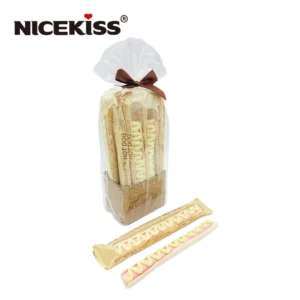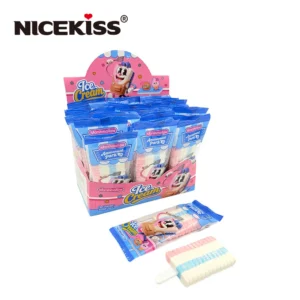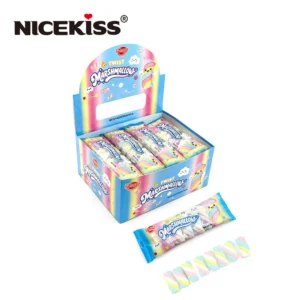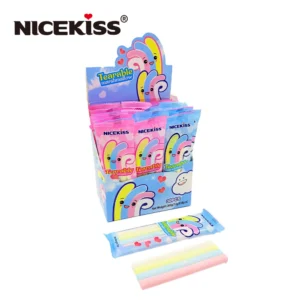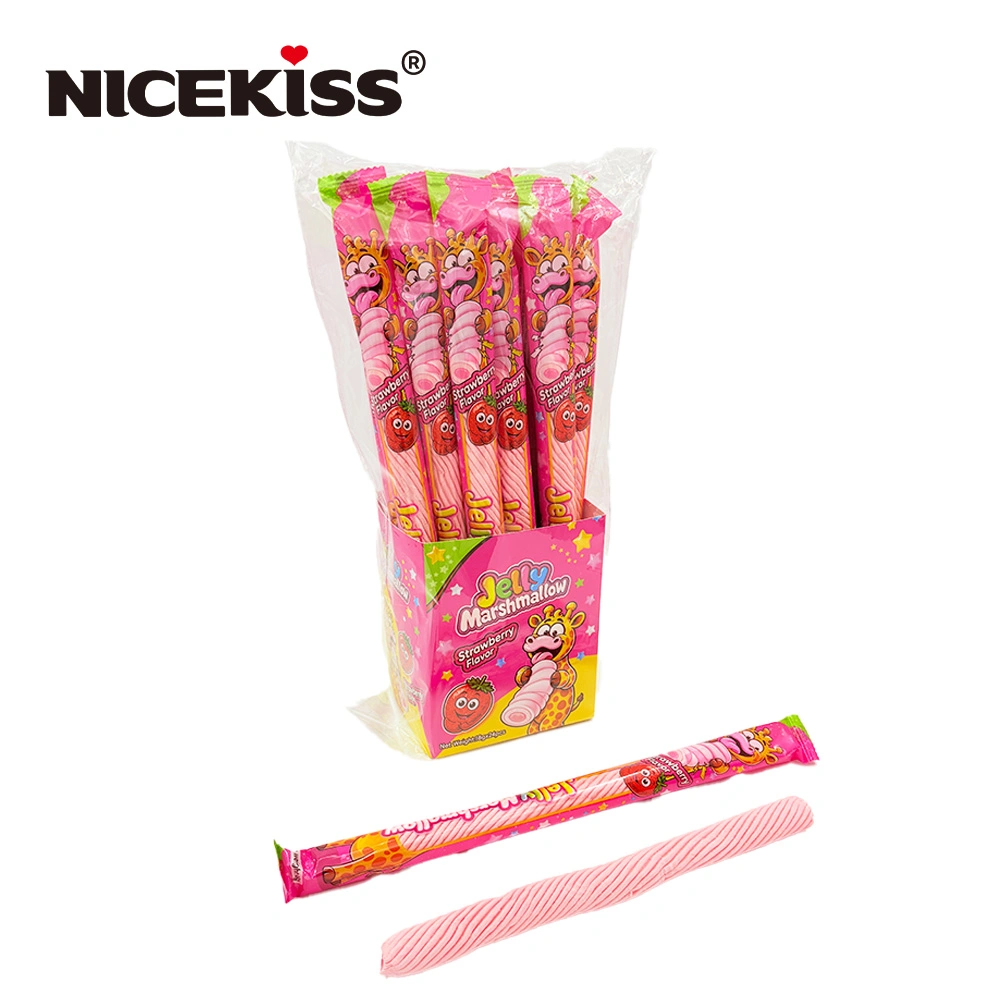
Marshmallows are known for their soft, fluffy, and slightly elastic texture. But do marshmallows have gelatin, and why is this ingredient commonly used in marshmallow production? In most traditional recipes, gelatin plays an important role in creating and maintaining the structure of marshmallows. However, its source can vary depending on the manufacturer’s formulation. If you are wondering do marshmallows have gelatin, the answer depends on the product formulation and the ingredients selected by the manufacturer.
Understanding marshmallow gelatin is important not only for consumers but also for candy wholesalers, food distributors, retailers, and private label brands. Different markets may have specific requirements for animal-derived ingredients, making it essential to understand gelatin sources before selecting wholesale marshmallow products.
In this guide, we explain why gelatin is used in marshmallows, where it comes from, what alternatives are available, and what B2B buyers should consider when sourcing marshmallows.
Do Marshmallows Have Gelatin?
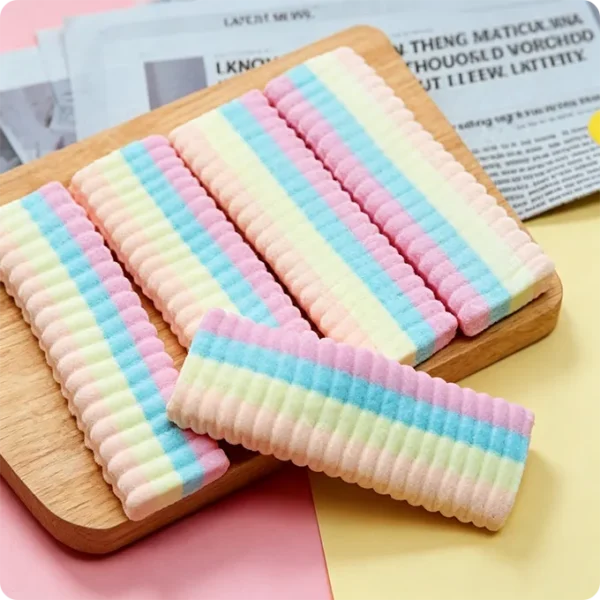
Yes, most traditional marshmallows contain gelatin. Gelatin is a protein derived from collagen, which is commonly obtained from animal bones and connective tissues. It functions as a gelling and stabilizing ingredient, helping marshmallows develop their familiar soft and elastic texture.
However, not every marshmallow contains gelatin. Some manufacturers use alternative gelling agents to develop gelatin-free products for consumers with specific dietary preferences or ingredient requirements.
A typical traditional marshmallow formulation may include:
- Sugar: Provides sweetness and contributes to the product’s structure.
- Glucose syrup or corn syrup: Helps control sugar crystallization and maintain a smooth consistency.
- Water: Dissolves the sugar and supports the production process.
- Gelatin: Helps create the gel structure and stabilize the aerated mixture.
- Flavorings: Provide the desired taste, such as vanilla or fruit flavors.
- Colorings: Add visual appeal when included in the formulation.
The exact ingredients and proportions vary between manufacturers. Therefore, when asking do marshmallows have gelatin, it is important to distinguish between traditional marshmallows and products formulated without animal-derived gelatin.
When buyers ask do marshmallows have gelatin, they should distinguish between conventional products and specially formulated alternatives.
For wholesale buyers, checking the ingredient declaration and product specifications is the most reliable way to confirm whether a marshmallow product contains gelatin.
What Is Marshmallow Gelatin and Why Is It Used?
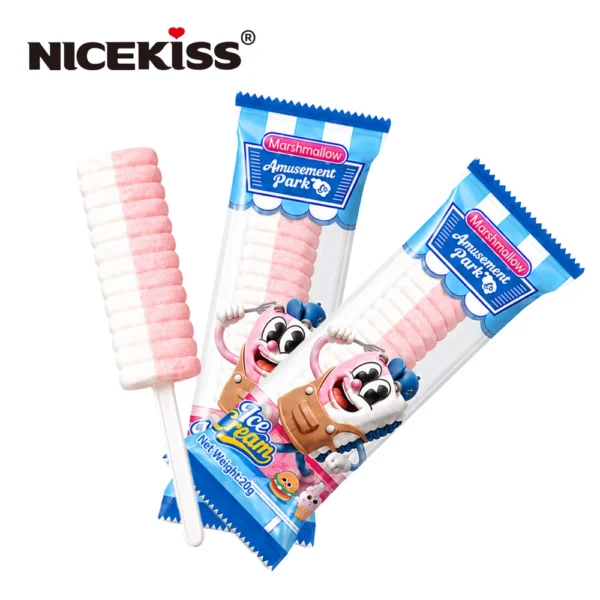
Marshmallow gelatin refers to the gelatin incorporated into marshmallow formulations to develop the desired texture and structure. It is not necessarily a separate or special type of gelatin; its properties depend on the source and technical specifications selected by the manufacturer.
During production, gelatin is typically hydrated and dissolved before being combined with the sugar syrup mixture. The mixture is then whipped to incorporate air, creating the light and fluffy structure associated with marshmallows.
Marshmallow gelatin performs several important functions:
1. Creates a Stable Structure
Gelatin forms a network that helps hold the air bubbles introduced during whipping. This allows marshmallows to maintain their shape instead of collapsing easily.
2. Provides Elasticity
The gel structure contributes to the springy texture of traditional marshmallows. It helps the product recover its shape after gentle compression.
3. Supports Texture Consistency
The gelatin specification, including its gel strength, can influence the final product texture. Consistent ingredient quality and controlled manufacturing conditions help manufacturers maintain similar results across production batches.
4. Helps Stabilize the Aerated Mixture
Gelatin contributes to the physical stability of the whipped marshmallow mixture. The finished product’s stability also depends on moisture content, processing conditions, and packaging.
For candy manufacturers and private label brands, selecting suitable marshmallow gelatin is an important part of developing a consistent product formulation.
Where Does Marshmallow Gelatin Come From?
The source of marshmallow gelatin can vary depending on the manufacturer’s formulation. Pork gelatin and beef gelatin are two common animal-derived sources used in food manufacturing.
Understanding these sources is particularly important for businesses supplying markets with specific religious, dietary, or ingredient requirements.
1. Pork Gelatin
Pork gelatin is produced from collagen extracted from porcine materials. It is used in various food applications, including confectionery, desserts, and marshmallows.
In marshmallow production, pork gelatin can provide the gelling properties needed to develop the product’s structure and texture. However, products containing pork-derived gelatin are not suitable for consumers who avoid pork for religious, dietary, or personal reasons.
For candy wholesalers and importers, confirming whether a product contains pork gelatin is essential when sourcing marshmallows for markets where pork-derived ingredients are restricted.
2. Beef Gelatin
Beef gelatin is obtained from collagen in bovine materials, such as cattle bones and connective tissues. It is another widely used gelatin source in food manufacturing.
Its functional properties depend on factors such as processing methods and Bloom strength, a measurement of gel strength. Different specifications can influence the final texture and processing performance of marshmallows.
For B2B buyers, beef gelatin may be an option when a target market requires a non-porcine gelatin source. However, beef gelatin is not automatically halal-certified. Its suitability depends on the animal source, slaughter requirements, processing, and applicable certification. Understanding do marshmallows have gelatin also means checking whether the ingredient comes from pork or beef sources.
3. Pork Gelatin vs. Beef Gelatin
Although both ingredients are derived from animal collagen, they may serve different market requirements.
| Comparison | Pork Gelatin | Beef Gelatin |
|---|---|---|
| Source | Porcine collagen | Bovine collagen |
| Common applications | Confectionery, desserts, marshmallows | Confectionery, desserts, marshmallows |
| Functional properties | Depend on specification | Depend on specification |
| Halal suitability | Not suitable for halal products | Requires compliant sourcing and certification |
| Purchasing considerations | Confirm pork-derived content | Verify bovine source and certification |
When evaluating do marshmallows have gelatin for a particular product, buyers should not assume the gelatin source based on appearance or product description. They should request an ingredient declaration and relevant supplier documentation.
Can Marshmallows Be Made Without Gelatin?
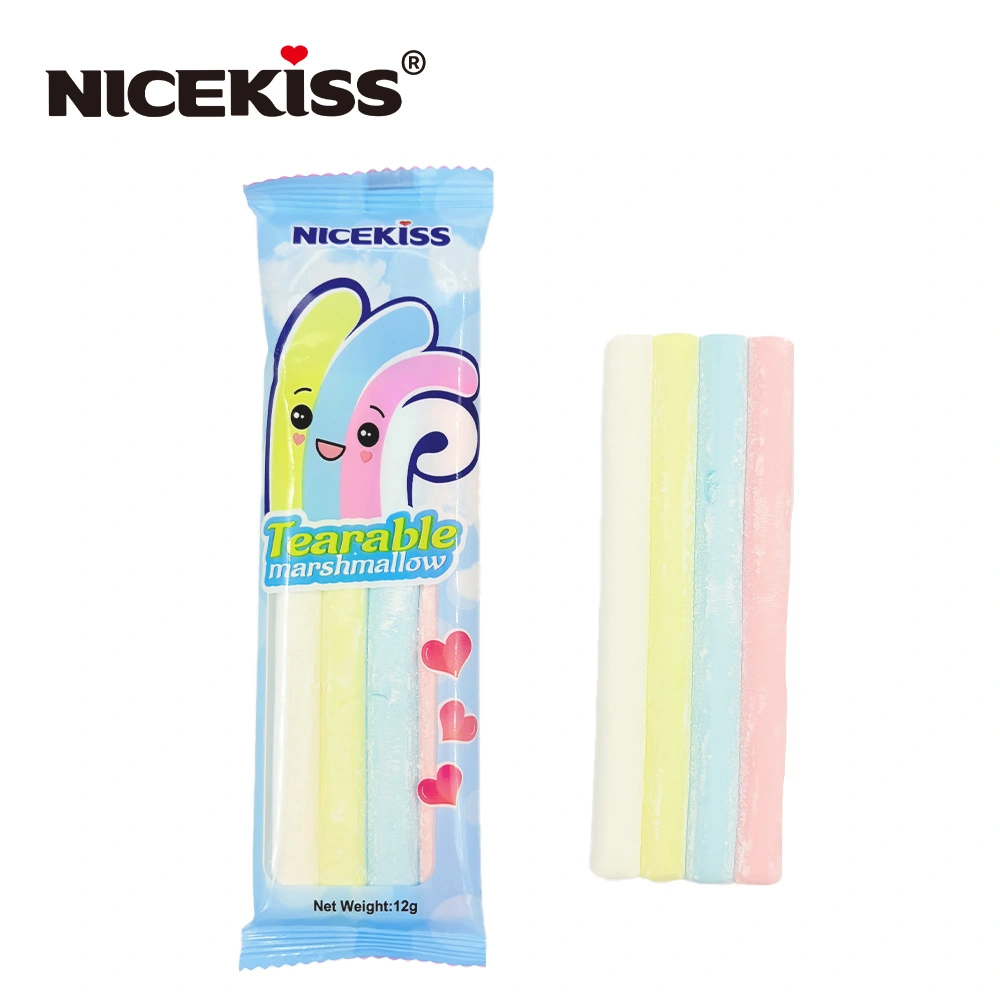
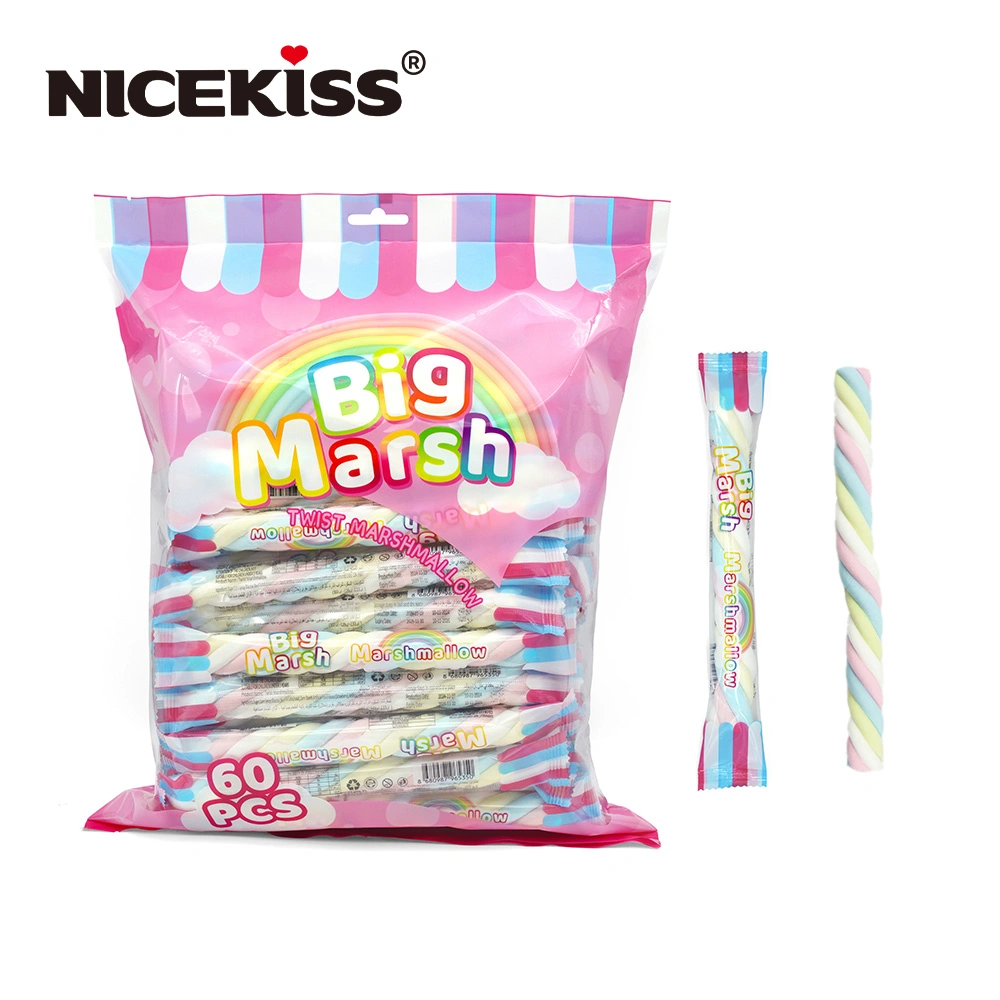
Yes. Manufacturers can produce gelatin-free marshmallows using alternative gelling or stabilizing ingredients. These products are developed for consumers who avoid animal-derived gelatin or for markets with specific ingredient requirements.
Common alternatives include:
Agar-Agar
Agar-agar is a plant-derived gelling agent obtained from certain types of seaweed. It can create a firm gel structure, although its setting behavior and texture differ from those of traditional gelatin.
Carrageenan
Carrageenan is another seaweed-derived ingredient used in food manufacturing. Depending on the formulation, it can contribute to gelling, thickening, or stabilizing.
Pectin
Pectin is a plant-based ingredient commonly used in confectionery. It can help create gel structures, although its performance depends on factors such as sugar concentration and acidity.
Traditional vs. Gelatin-Free Marshmallows
| Feature | Traditional Marshmallows | Gelatin-Free Marshmallows |
|---|---|---|
| Common gelling ingredient | Animal-derived gelatin | Plant-based gelling agents |
| Textura | Often soft and elastic | Varies with the alternative ingredient |
| Ingredient source | Animal-derived gelatin | Plant-derived alternatives |
| Dietary suitability | Depends on gelatin source | Depends on the complete formulation |
| Production requirements | Gelatin hydration and controlled whipping | Alternative ingredient preparation and formulation adjustments |
It is important to understand that gelatin-free does not automatically mean vegan, vegetarian, halal, or allergen-free. Buyers should review the complete ingredient list and relevant certification information before making dietary or product claims.
For businesses exploring gelatin-free marshmallows, requesting product samples and technical specifications is a practical way to evaluate whether the alternative formulation meets their expectations.
What Should Buyers Check When Sourcing Wholesale Marshmallows?
Understanding do marshmallows have gelatin is only the first step for businesses sourcing confectionery products. Candy wholesalers, importers, distributors, supermarket suppliers, and private label brands should also evaluate ingredient specifications, product consistency, certification, and packaging.
1. Confirm the Gelatin Source
Ask the manufacturer whether the marshmallows contain pork gelatin, beef gelatin, or another gelling ingredient.
This information is particularly important when supplying markets with religious or dietary restrictions. Request a clear ingredient declaration rather than relying solely on general product descriptions. Before placing a bulk order, buyers should confirm do marshmallows have gelatin and whether its source meets their target market requirements.
2. Check Halal and Other Certification Requirements
If you are sourcing marshmallows for halal markets, verify whether the finished product has valid halal certification and whether the certification covers its formulation and production process.
Beef gelatin alone does not establish halal compliance. Its source, processing, and certification status must all meet the applicable requirements.
3. Review Ingredient and Product Specifications
B2B buyers should request product specifications that include:
- Full ingredient declaration
- Gelatin source, where applicable
- Relevant allergen information
- Product dimensions and weight
- Shelf life and storage conditions
- Available certifications and supporting documents
These details help importers and distributors determine whether a product meets their target market’s requirements.
4. Evaluate Texture and Production Consistency
Marshmallows should maintain consistent shape, texture, and appearance across production batches. Buyers should evaluate product samples before confirming a bulk order.
When discussing marshmallow gelatin with a manufacturer, it is also useful to clarify the expected texture, product size, flavor options, and other formulation requirements.
5. Consider Packaging and Private Label Requirements
Packaging helps protect marshmallows during transportation and storage. Depending on the sales channel, buyers may require individual wrappers, retail bags, bulk packaging, or private label packaging.
When working with an OEM or private label candy manufacturer, confirm available packaging formats, labeling requirements, minimum order quantities, and production lead times before placing an order.
For wholesale marshmallow sourcing, clear communication about product specifications and packaging requirements can help reduce misunderstandings during the purchasing process.
Perguntas frequentes
Do All Marshmallows Contain Gelatin?
No. Most traditional marshmallows contain gelatin, but some manufacturers produce gelatin-free alternatives using plant-based gelling agents. Always check the ingredient declaration to confirm the formulation.
Is Marshmallow Gelatin Made from Pork?
Some marshmallows use pork-derived gelatin, while others use beef gelatin. The source varies by manufacturer and product formulation. Buyers should contact the supplier or check the product specifications for confirmation.
Is Beef Gelatin Suitable for Marshmallows?
Yes. Beef gelatin can be used in marshmallow production. Its suitability depends on its functional specifications and the manufacturer’s formulation requirements.
Are Gelatin-Free Marshmallows Vegan?
Not necessarily. Although gelatin-free marshmallows do not contain animal-derived gelatin, they may contain other animal-derived ingredients. Check the complete ingredient list and certification information before identifying a product as vegan.
Are Marshmallows with Beef Gelatin Halal?
Not automatically. Beef gelatin must come from an acceptable source and meet the relevant halal processing and certification requirements. Buyers should request valid certification rather than relying on the ingredient name alone.
Does Gelatin Affect Marshmallow Texture?
Yes. Gelatin contributes to the structure, elasticity, and stability of traditional marshmallows. Its functional properties, including gel strength, can influence the final texture.
How Can Buyers Confirm Whether Marshmallows Contain Gelatin?
Buyers should review the ingredient declaration and request product specifications from the manufacturer. If the gelatin source or certification status is important for the target market, ask for supporting documentation before placing a wholesale order.
Conclusão
So, do marshmallows have gelatin? Most traditional marshmallows do, because gelatin helps create their soft, fluffy, and elastic texture. However, the source of gelatin can vary, with pork gelatin and beef gelatin being two common options. Gelatin-free alternatives are also available for businesses serving consumers with different dietary preferences.
For candy wholesalers, importers, distributors, and private label brands, understanding marshmallow gelatin is essential when evaluating product formulations and sourcing requirements. Confirming ingredient specifications, gelatin sources, certification status, texture expectations, and packaging options can help businesses select suitable marshmallow products for their target markets.
Sobre a Nicekiss Candy
Doces Nicekiss is a confectionery manufacturer serving B2B customers looking for candy products and wholesale supply solutions. For candy wholesalers, distributors, retailers, and private label brands, working with a reliable manufacturing partner is important for maintaining product consistency and meeting market requirements.
Contacte a Nicekiss Candy to discuss your marshmallow sourcing needs, product specifications, and wholesale cooperation opportunities.