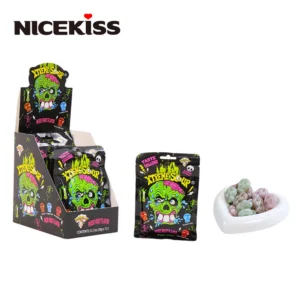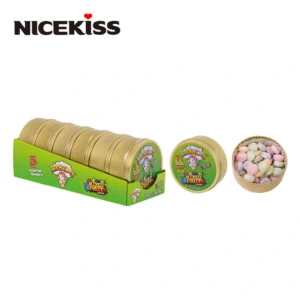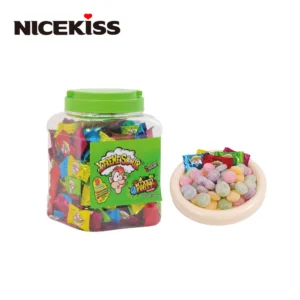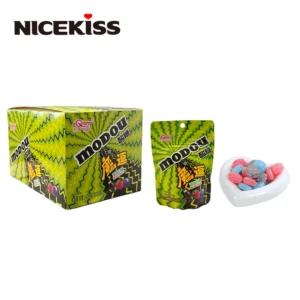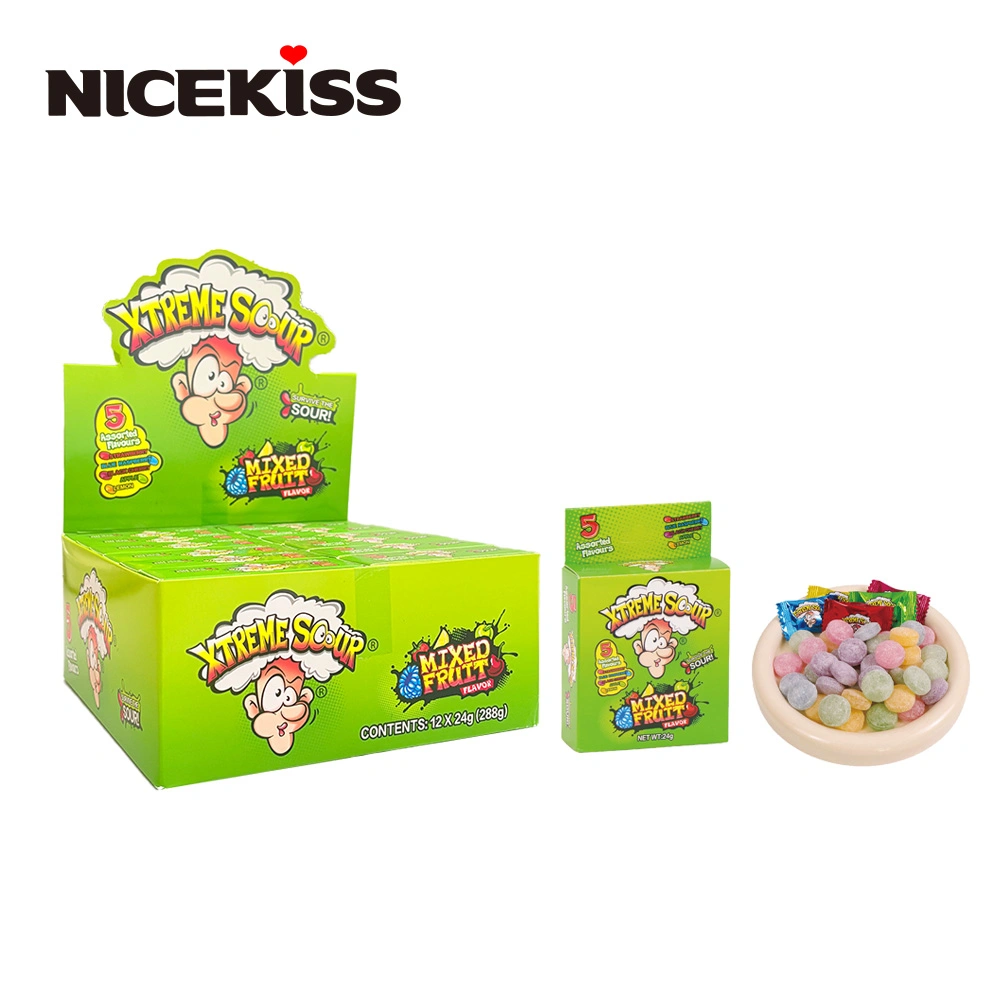







For importers, distributors, and retail brands, choosing between hard sour candy and soft sour candy is not simply a matter of taste. The right choice affects shelf life, transportation costs, storage stability, and repeat purchases. In many wholesale markets, the difference between these two candy types can directly influence profit margins and inventory turnover.
This article compares hard and soft sour candy from a business perspective and explains which option is better suited for supermarkets, convenience stores, export markets, and bulk sour candy distribution.
What Is Sour Candy?
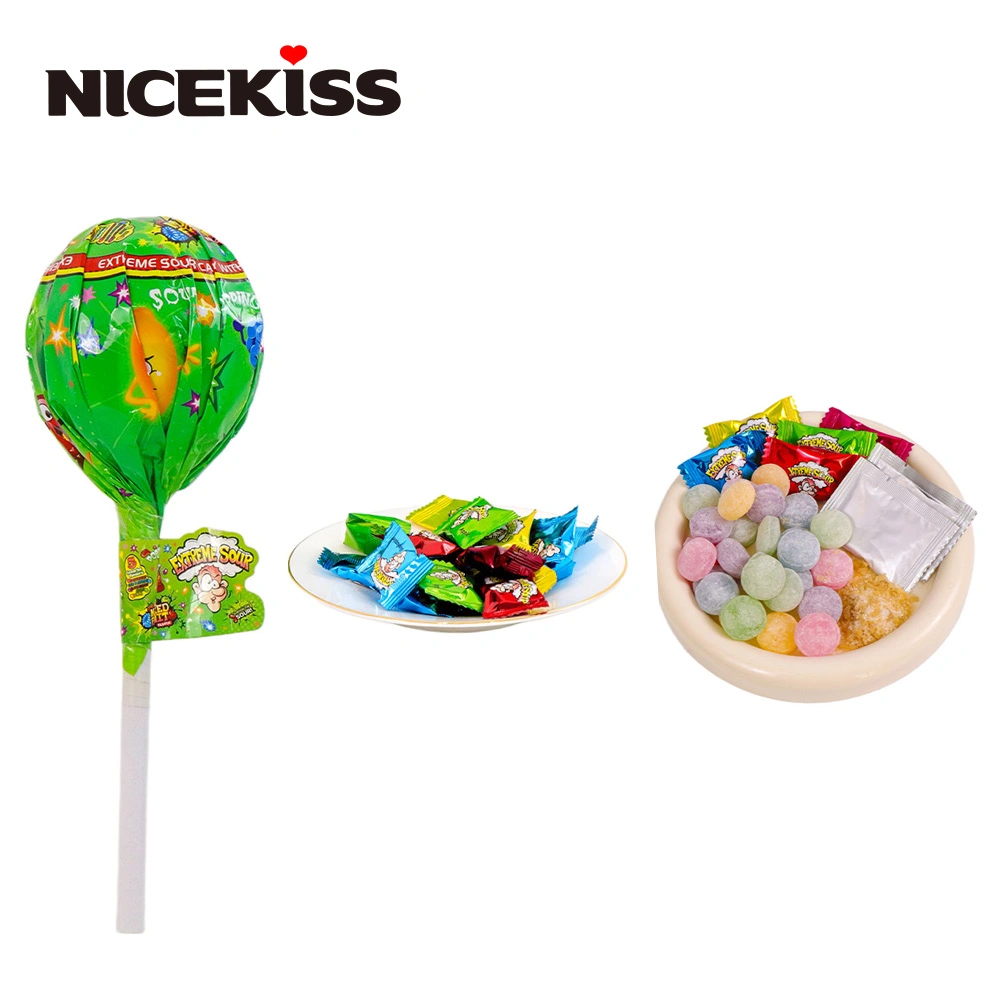
Sour candy is a type of confectionery that combines sweetness with an acidic coating or filling to create a sharp, tangy taste. The sour effect usually comes from food acids such as citric acid, malic acid, or tartaric acid. Consumers often enjoy sour candy because it delivers a stronger flavor impact than regular candy.
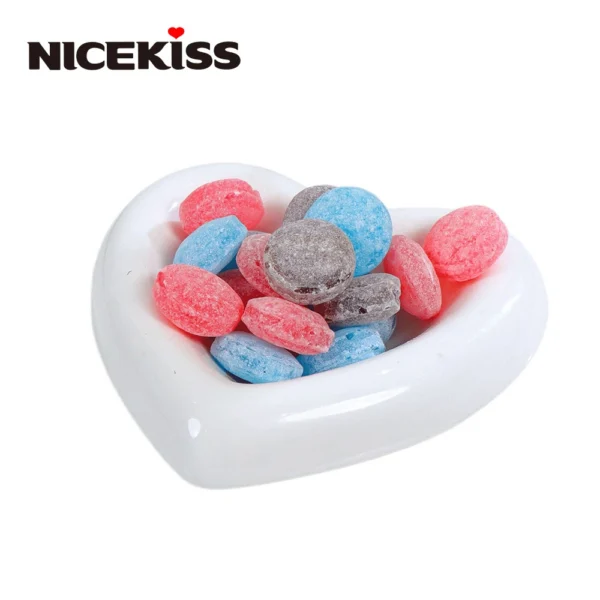
Sour candy can be produced in several forms, including:
- Hard sour candy
- Soft sour candy
- Filled sour candy
- Powder-coated sour candy
- Mixed fruit sour candy
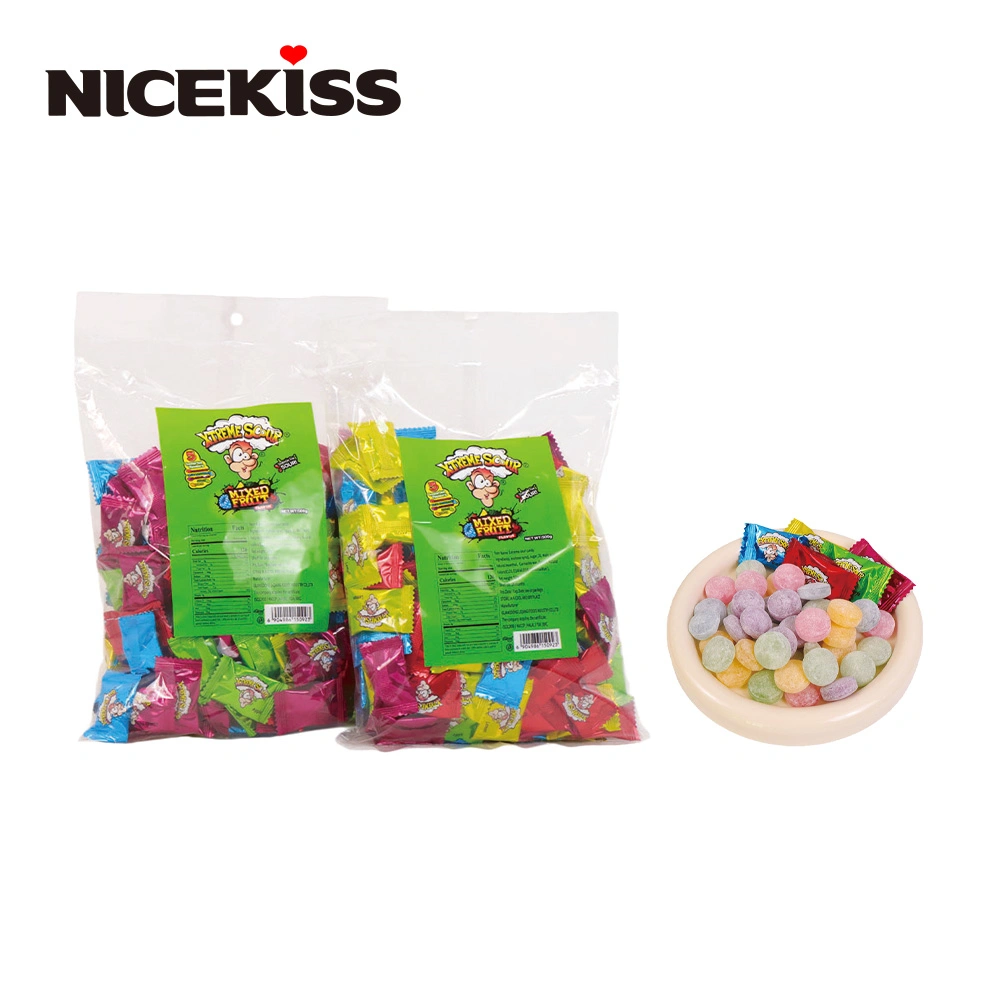
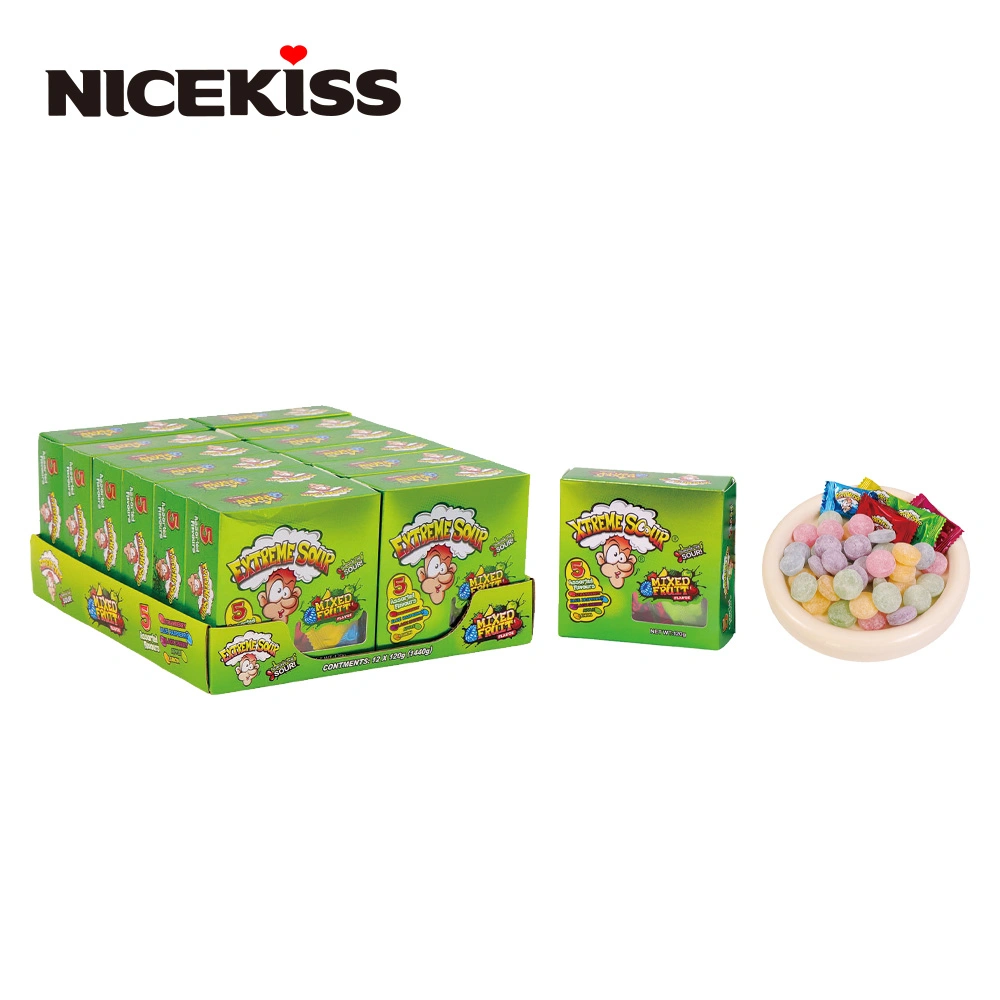
Among these, hard and soft sour candies are the two most common formats in international wholesale and retail markets.
Why This Comparison Matters for Wholesale Buyers
Retailers and distributors evaluate candy products based on more than consumer preference. They also consider:
- Shelf life
- Breakage during shipping
- Heat resistance
- Packaging efficiency
- Repeat purchase rate
- Storage and handling costs
A product that performs well in a convenience store may not be ideal for export containers or supermarket distribution. This is why many buyers compare hard sour candy and soft sour candy before placing large orders.
Hard Sour Candy: Advantages for Export and Retail
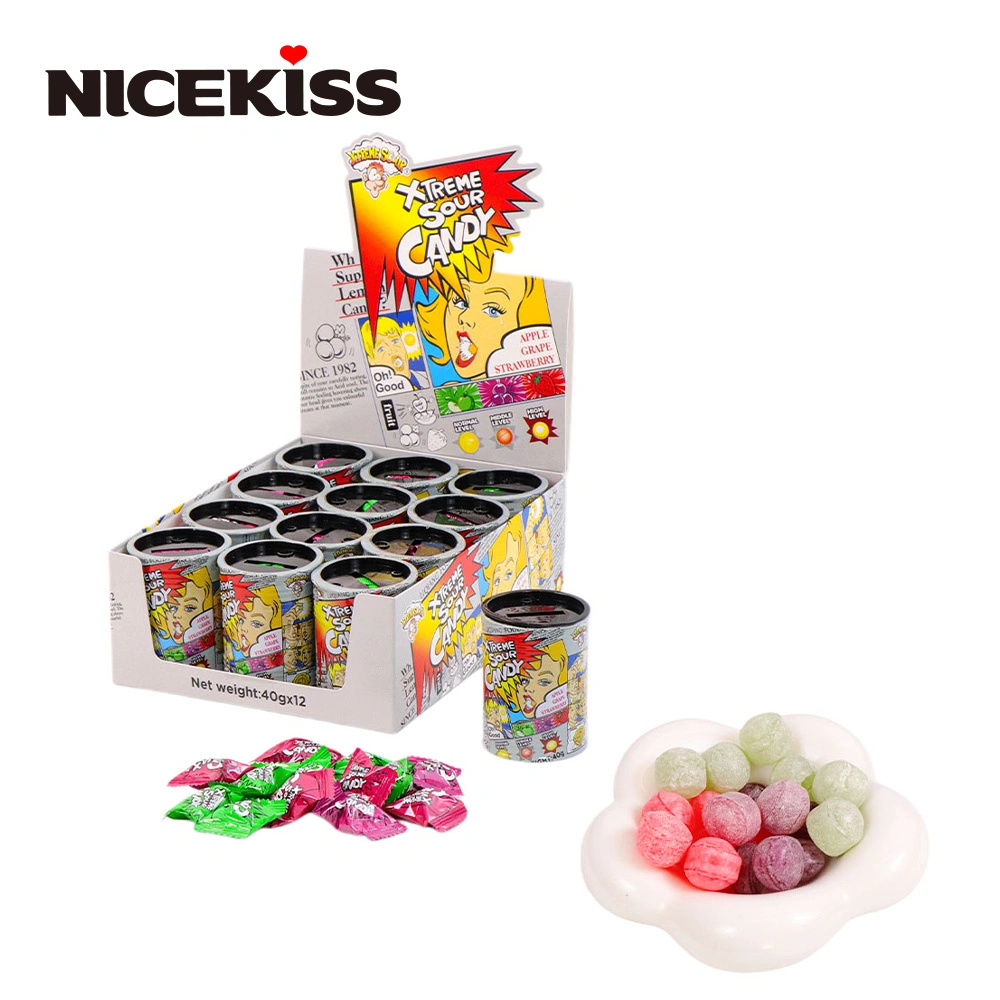
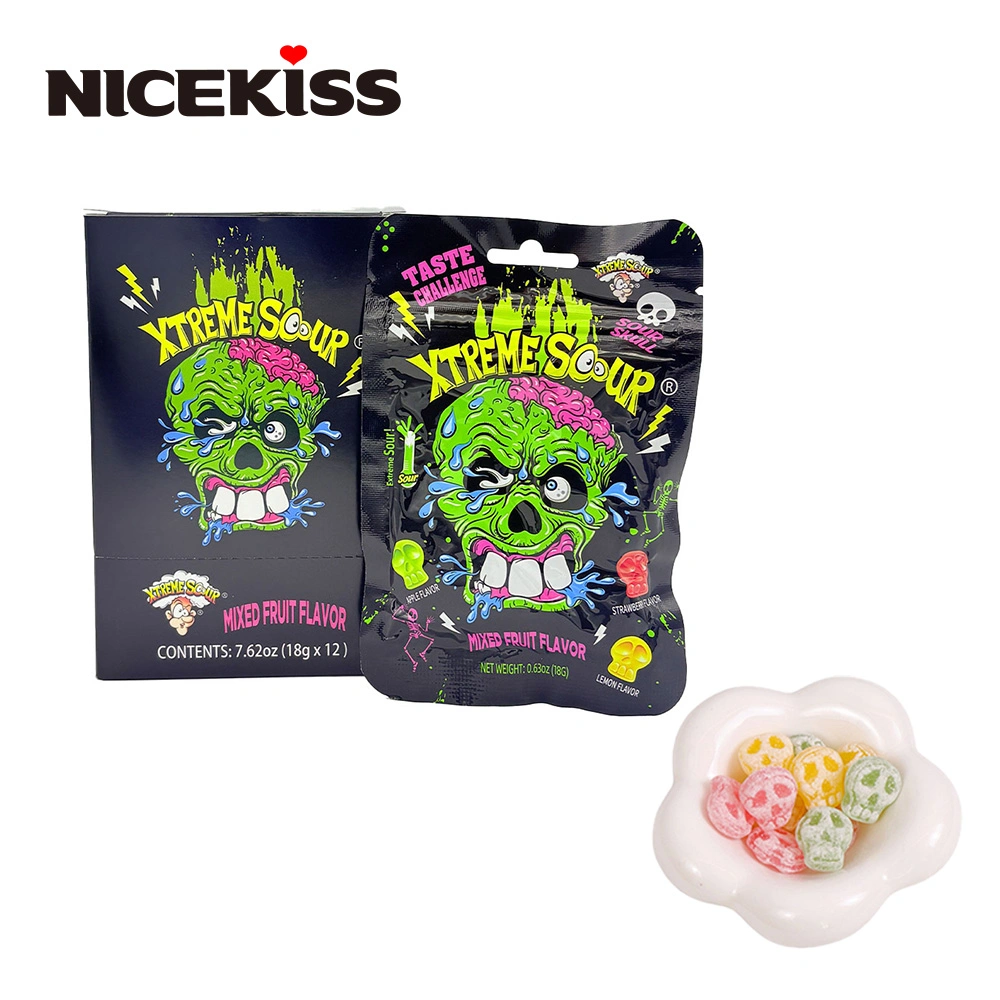
Hard sour candy is produced by cooking sugar syrup to a high temperature and allowing it to cool into a solid texture. It is one of the most stable candy formats for wholesale distribution.
Longer Shelf Life
Hard sour candy generally has lower moisture content than soft candy, which helps extend its shelf life. For importers handling long shipping times, this is a major advantage.
Better Transport Stability
Because it is less sticky and less sensitive to temperature changes, hard sour candy usually experiences fewer problems during transportation.
Lower Storage Risk
Hard candy is less likely to deform, melt, or clump together in warehouses, especially in warm climates.
Suitable for Large-Scale Distribution
Many supermarkets and distributors prefer wholesale hard sour candy because it is easier to pack, store, and display.
For buyers looking for consistent quality and export-ready products, working with an experienced hard sour candy manufacturer can help reduce quality variations between batches.
Soft Sour Candy: Advantages for Impulse Purchases
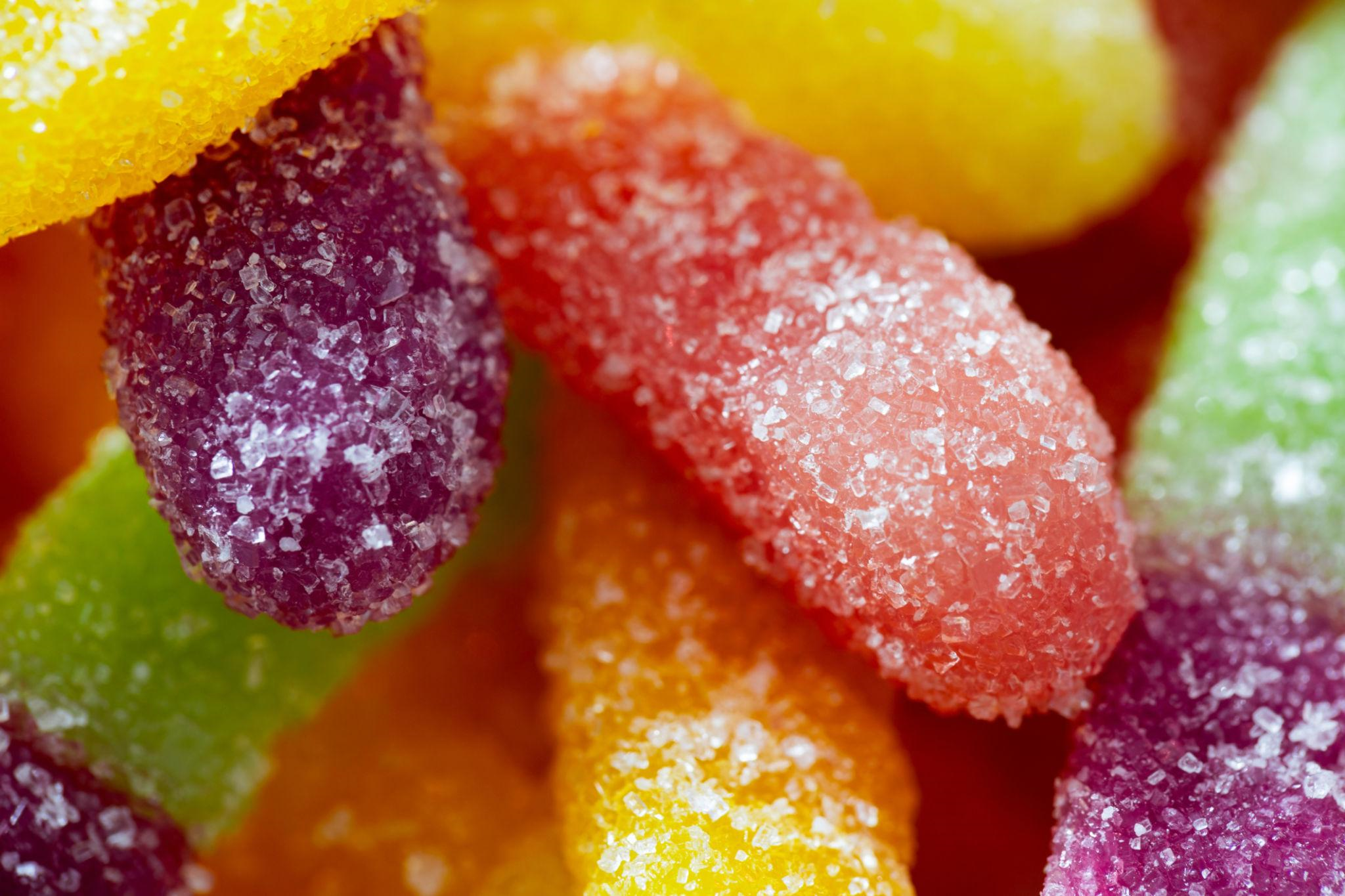
Soft sour candy offers a chewy texture and often delivers a more intense flavor experience.
Stronger Sensory Appeal
The chewy texture can create a longer-lasting eating experience, which is popular among younger consumers.
Better for Trend-Driven Retail
Soft sour candy is frequently used in novelty and social-media-driven candy products.
Convenience Store Performance
Small retail packs of soft sour candy often perform well in impulse-purchase channels such as convenience stores and vending locations.
However, soft candy usually requires more careful control of temperature, humidity, and packaging.
Which Sells Better in Different Channels?
| Better Choice | Sales Channel |
|---|---|
| Soft sour candy | Convenience stores |
| Teen-focused retail | |
| Hard sour candy | Supermarkets |
| Distributors | |
| Export markets | |
| Bulk candy sales |
For international trade and supermarket distribution, hard sour candy is often the more practical option because of its stability and longer shelf life.
Shelf Life and Transportation Comparison
| Factor | Hard Sour Candy | Soft Sour Candy |
|---|---|---|
| Shelf life | Longer | Shorter |
| Heat resistance | Better | Lower |
| Moisture resistance | Better | Lower |
| Breakage risk | Low | Low |
| Clumping risk | Low | Higher |
For buyers shipping products overseas, these differences can have a significant impact on product quality upon arrival.
Which Option Is More Profitable for Wholesale?
Profitability depends on the entire supply chain, not just the unit price.
Hard Sour Candy
- Better carton efficiency
- Lower transport losses
- Reduced storage waste
- Easier inventory management
- Strong performance in bulk sour candy sales
Soft Sour Candy
- Higher perceived value
- Stronger impulse purchases
- Better for premium retail positioning
For distributors and supermarket suppliers, hard sour candy often provides a more predictable cost structure and lower operational risk.
Choosing the Right Supplier
Whether you choose hard or soft sour candy, supplier reliability is critical.
When evaluating a hard sour candy supplier, consider:
- Quality consistency
- Food safety standards
- Packaging capability
- Export experience
- Production capacity
If you are developing a private label or exclusive product line, some manufacturers may also offer custom hard sour candy solutions, including flavor, shape, color, and packaging adjustments for specific markets.
結論
There is no single candy type that wins in every market. Soft sour candy is often stronger in trend-driven and impulse-purchase channels, while hard sour candy performs better in supermarkets, distribution networks, and export business.
For many wholesale buyers, the key advantages of hard sour candy are its longer shelf life, better heat resistance, lower storage risk, and stronger suitability for bulk sour candy distribution. These factors make it a reliable choice for international trade and large-scale retail operations.
Businesses looking for stable quality and export-ready products should work with an experienced hard sour candy manufacturer that can provide consistent production and packaging support for wholesale and retail markets.
FAQ
Q1: Is hard sour candy better for export?
Yes. Hard sour candy is generally better suited for export because it has a longer shelf life and better resistance to heat and humidity during transportation.
Q2: Which candy has a longer shelf life?
Hard sour candy usually lasts longer than soft sour candy due to its lower moisture content.
Q3: What sells better in supermarkets?
Hard sour candy often performs better in supermarkets because it is easier to store, display, and distribute in large quantities.
About Nicekiss
Nicekiss is a China-based candy manufacturer focused on wholesale and export markets. We support custom candy projects for sour candies, hard candies, marshmallows, and soft chewy candies, covering flavor, color, shape, packaging, logo, and product specifications for wholesale, retail, and brand buyers.
Our production process emphasizes consistent flavor, stable quality, and packaging that is suitable for international transportation and retail display. If you are looking for a reliable hard sour candy supplier for your market, the Nicekiss team is ready to help. Contact us today to discuss your sour candy project and request a quotation or sample.