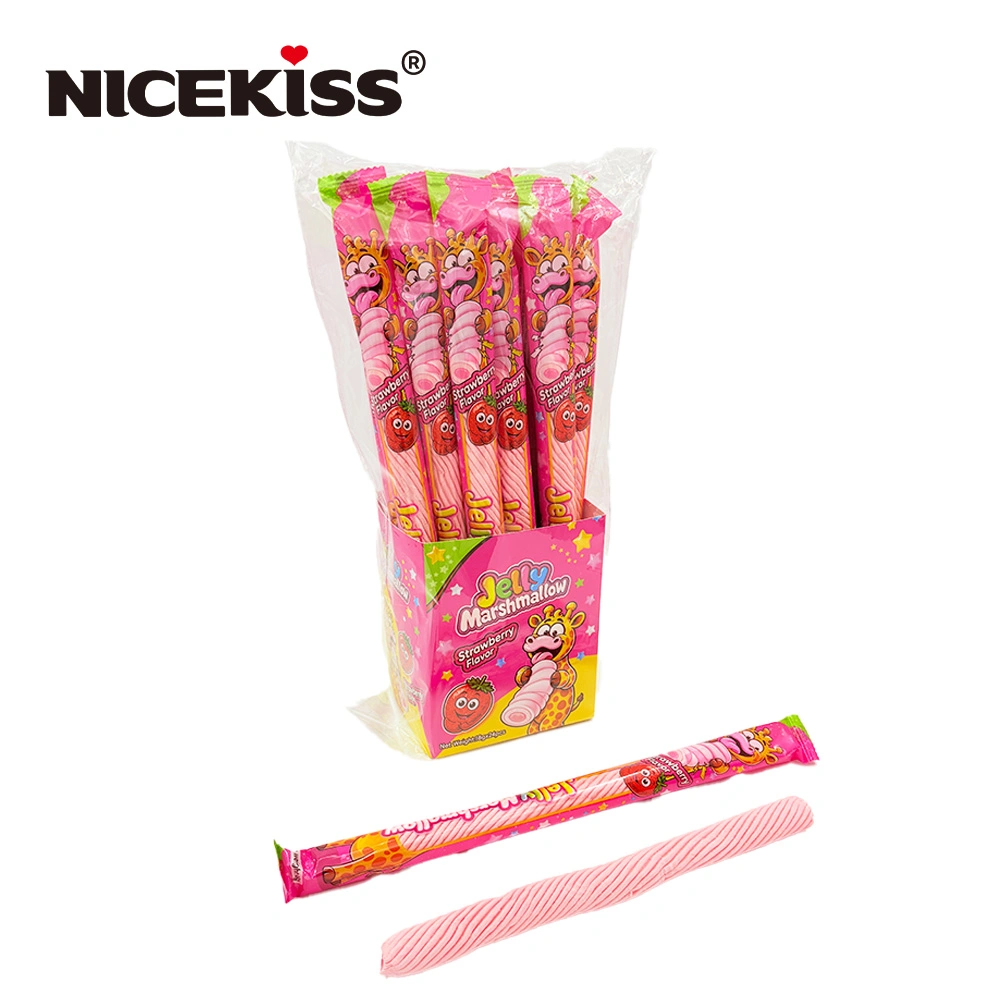
Soft chewy candy is a popular confectionery category known for its tender texture, pleasant bite, and variety of flavors. From fruity treats to creamy milk candies and chocolate-filled varieties, these products offer different taste experiences for consumers across retail and wholesale markets.
For candy importers, distributors, wholesalers, and retailers, understanding the characteristics of soft chewy candy can help with product selection and market positioning. Factors such as texture, flavor, packaging format, portion size, and shelf appeal all play a role when building a competitive candy product range.
In this guide, we explore what soft chewy candy is, its common varieties, how it differs from other candy types, and what wholesale buyers should consider when sourcing products.
What Is Soft Chewy Candy?
Caramelo blando y masticable is a type of confectionery characterized by a tender, flexible texture that allows consumers to bite and chew it comfortably. Unlike hard candy, which is designed to dissolve gradually in the mouth, soft chewy candy provides a more immediate chewing experience.
Its texture and flavor can vary depending on the formulation, ingredients, and manufacturing process. Some varieties have a smooth, creamy bite, while others offer fruity flavors or a soft outer layer with a different filling inside.
Soft chewy candies are available in different shapes, colors, sizes, and packaging formats, making them suitable for supermarkets, convenience stores, candy shops, and other retail channels.
For wholesale buyers, this product category offers opportunities to create diverse candy selections that appeal to different consumer preferences.
Key Characteristics of Soft Chewy Candy
When selecting soft chewy candy for retail or wholesale distribution, buyers should consider several product characteristics.
Soft and Pleasant Texture
Texture is one of the most important features of soft chewy candy. Consumers generally look for a product that is easy to bite, comfortable to chew, and consistent from piece to piece.
Different formulations can create different mouthfeel experiences. Some products have a smooth and tender texture, while others provide a firmer or more elastic bite.
Manufacturers need to maintain consistent product specifications to help ensure that each batch delivers a similar eating experience.
Diverse Flavor Options
Flavor variety is another important factor in product selection. Fruit flavors, milk flavors, chocolate combinations, and other taste profiles can help retailers serve different consumer preferences.
For example, blueberry, strawberry, grape, orange, and apple are familiar fruit flavor options in the confectionery market. Milk and chocolate flavors provide alternatives for consumers who prefer creamy or richer taste profiles.
Offering a balanced selection of flavors can also help wholesalers and distributors build more varied product collections.
Different Shapes, Colors, and Sizes
Soft chewy candy can be produced in different shapes, colors, and portion sizes according to product requirements.
These visual characteristics influence shelf presentation and can help distinguish one product from another. Smaller individually wrapped pieces may suit convenient snacking, while larger retail packs or jars can provide different purchasing options.
For B2B buyers, choosing suitable product specifications is important when matching candy products with target retail channels.
Different Types of Soft Chewy Candy
Soft chewy candy is not limited to one flavor or product format. Manufacturers can offer different varieties to meet the needs of retailers, distributors, and private-label brands.
Fruit-Flavored Soft Chewy Candy
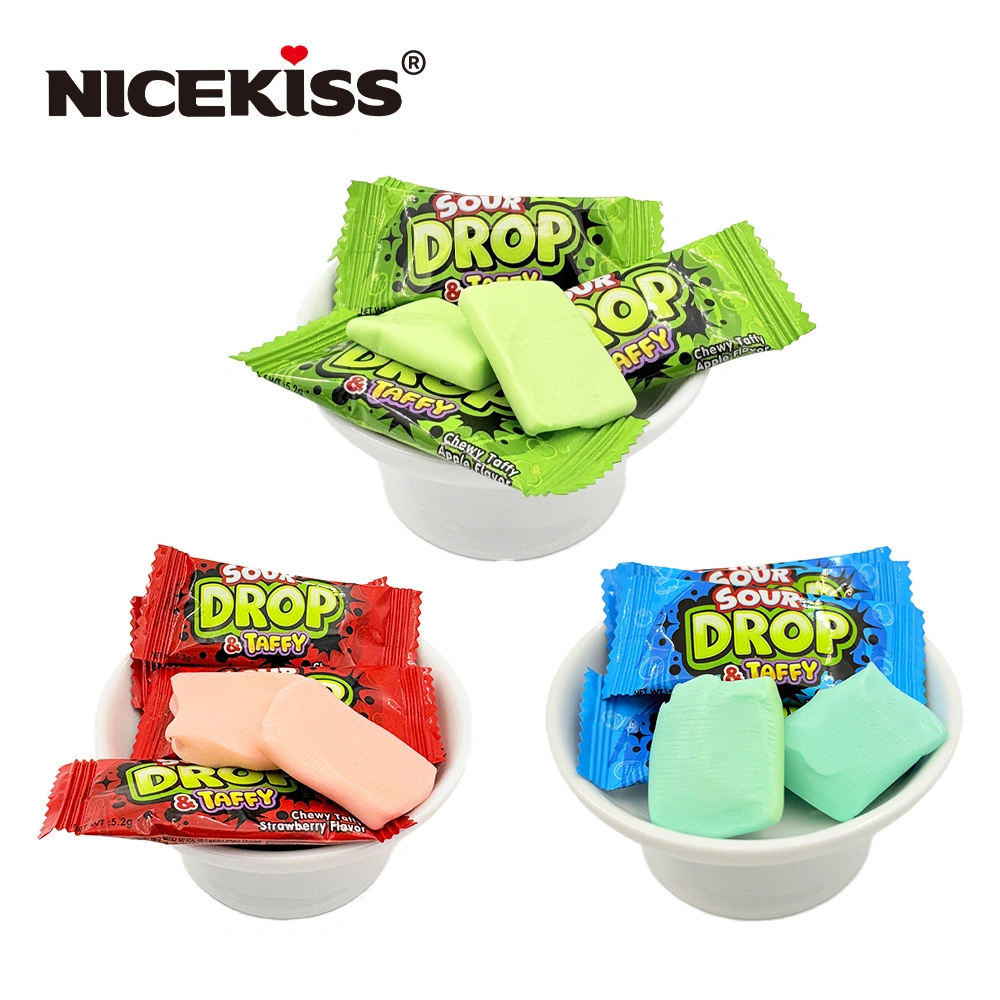
Fruit-flavored soft chewy candy is a familiar option for consumers who enjoy sweet and fruity confectionery.
Common flavor choices include:
- Fresa
- Arándano
- Uva
- Naranja
- Apple
- Melocotón
These flavors can be offered individually or combined into assorted selections, depending on the product range.
For wholesale buyers, mixed fruit assortments can provide more variety within a single product offering. They may also be suitable for supermarkets, candy shops, and convenience stores looking for colorful confectionery products.
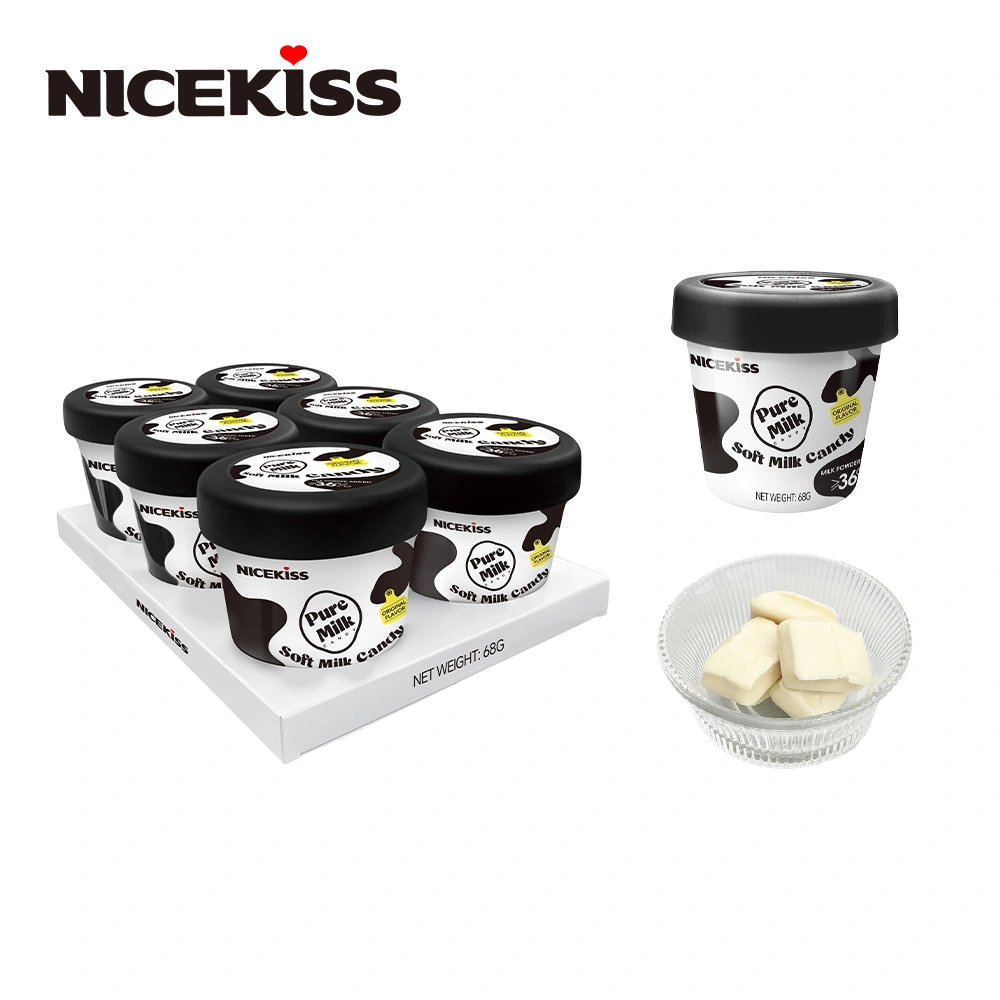
Milk-Flavored Soft Chewy Candy
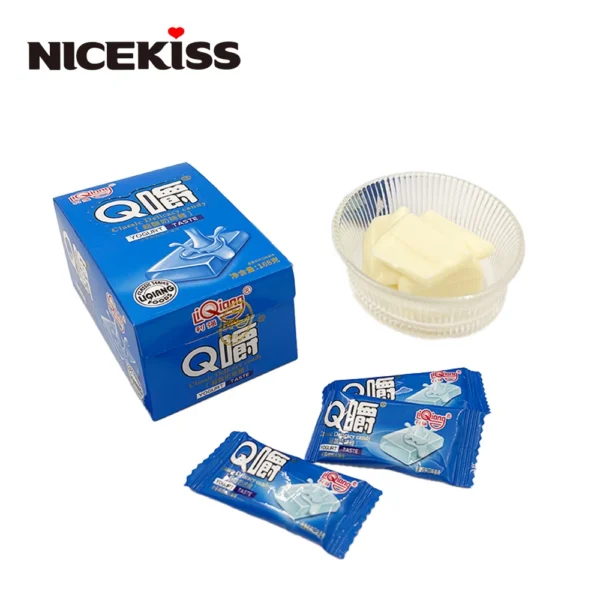
Milk-flavored soft chewy candy offers a creamy taste profile with a soft, pleasant texture.
Some products use milk-based ingredients to create a richer flavor experience. Packaging formats may include individual wrappers, small jars, or retail bags.
For retailers, milk-flavored varieties can complement fruit-flavored products and help create a more balanced candy assortment.
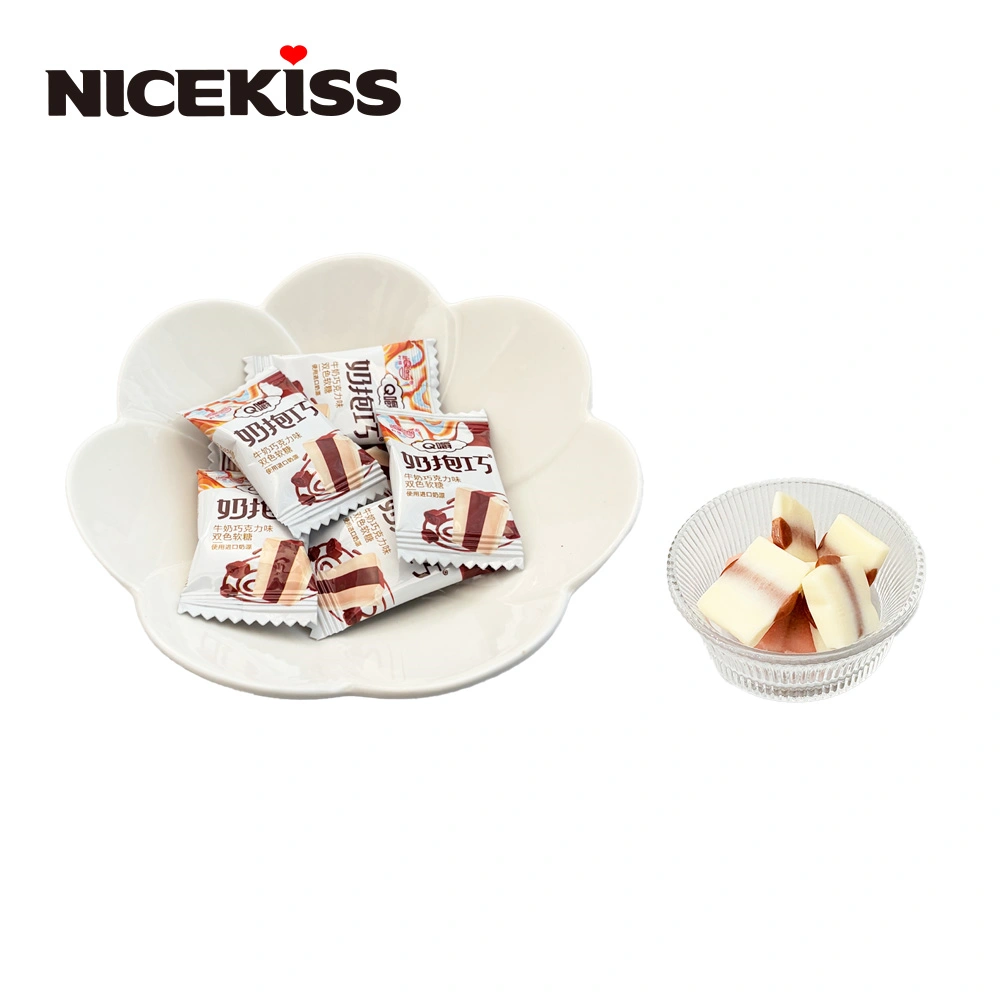
Chocolate-Filled Soft Chewy Candy
Chocolate-filled soft chewy candy combines a soft outer layer with a chocolate center, creating a different texture and flavor experience.
Depending on the formulation, the outer layer may have a milk, fruit, or other flavor profile, while the filling adds a richer chocolate taste.
This type of candy can be useful for brands and retailers looking to offer products with more distinctive taste combinations.
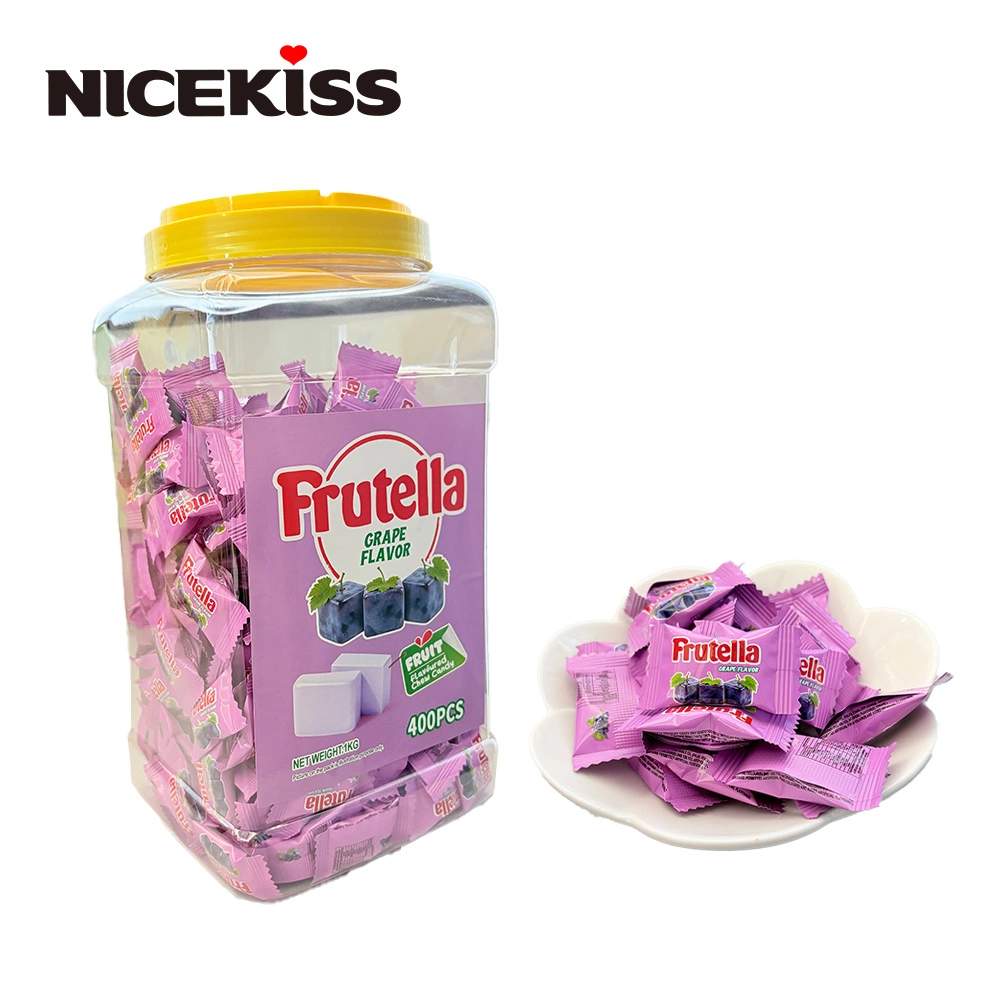
Individually Wrapped Soft Chewy Candy
Individual wrapping is a practical packaging format for many soft chewy candy products.
Each piece is packed separately, making it easier to distribute, share, and portion. Individual wrappers can also help protect candy pieces during handling and storage when the packaging is properly designed and sealed.
For wholesale buyers, individually wrapped products may be suitable for:
- Tiendas de conveniencia
- Supermarket checkout areas
- Tiendas de golosinas
- Party and event supplies
- Retail multipacks
The choice of wrapper material and outer packaging should be based on product requirements and the intended distribution environment.
Soft Chewy Candy vs. Hard Candy vs. Gummy Candy
Although these candy categories can all provide a chewing experience, they have different textures and product characteristics.
| Comparación | Caramelos blandos y masticables | Caramelos duros | Gummy Candy |
|---|---|---|---|
| Main texture | Soft and chewy | Hard and solid | Usually elastic and gel-like |
| Eating experience | Bitten and chewed | Usually dissolved gradually | Chewed with a springy bite |
| Texture variation | Tender to relatively firm | Generally hard | Often bouncy or elastic |
| Common product forms | Milk candy, fruit-flavored chewy candy, filled varieties | Fruit drops, mints, lollipops | Gummy bears, gummy worms, fruit shapes |
The main difference is the texture and formulation.
Soft chewy candy generally provides a tender bite, while hard candy is designed to remain solid for longer during consumption. Gummy candy is commonly associated with a gel-like and elastic texture.
However, these categories are not always completely separate in terms of consumer perception. Some confectionery products may have overlapping texture characteristics.
For importers and distributors, understanding these differences helps when organizing product categories, writing product descriptions, and selecting suitable items for different retail markets.
What Should Wholesale Buyers Consider When Purchasing Soft Chewy Candy?
Choosing the right products involves more than comparing flavors and prices. Wholesale buyers should evaluate product specifications, packaging, quality requirements, and supply arrangements before placing an order.
Flavor Selection and Target Market
Different markets may have different preferences for sweetness, flavor intensity, and product combinations.
Before selecting products, buyers should consider:
- Popular flavor profiles in their target market
- Demand for fruit, milk, or chocolate flavors
- Whether mixed-flavor assortments are suitable
- The preferences of their main customer groups
A well-planned flavor selection can help retailers offer more variety without creating an unnecessarily complicated inventory.
Texture and Product Consistency
Texture is a defining feature of soft chewy candy. Buyers should request product samples to evaluate the actual eating experience before confirming large orders.
Important points to check include:
- Softness and chewiness
- Consistencia del sabor
- Whether the candy is excessively sticky
- Appearance and shape consistency
- Product condition after transportation
For repeat wholesale orders, consistent product specifications are especially important.
Packaging Format and Retail Presentation
Packaging affects product protection, storage, transportation, and shelf presentation.
Common formats include:
- Caramelos envueltos individualmente
- Small retail bags
- Multi-piece retail packs
- Plastic jars or display containers
- Custom-printed packaging
The right format depends on the intended sales channel, target price range, and consumer purchasing habits.
For example, individually wrapped products may be convenient for portion control and sharing, while jars can provide an easy-to-display option for retail shelves.
Shelf Life and Storage Requirements
Buyers should always confirm the product’s actual shelf life and recommended storage conditions with the manufacturer.
The following information is worth checking before ordering:
- Manufacturing and expiration dates
- Condiciones de almacenamiento recomendadas
- Packaging protection
- Carton specifications
- Transportation and warehousing requirements
Soft chewy candy products may respond differently to temperature, humidity, and storage conditions depending on their formulation and packaging. Buyers should therefore follow the manufacturer’s product-specific instructions rather than assume that all varieties have identical storage requirements.
Minimum Order Quantity and Supply Capacity
For importers and distributors, minimum order quantity (MOQ) and production capacity are important purchasing considerations.
Before confirming an order, buyers should understand:
- MOQ for each product
- Available flavors and packaging specifications
- Plazo de producción
- Sample availability
- Dimensiones de la caja y condiciones de envío
Clear communication at the beginning of the purchasing process can help reduce misunderstandings and support smoother order fulfillment.
How to Choose a Reliable Soft Chewy Candy Supplier?
Finding a suitable supplier is important for maintaining product quality and building a stable wholesale business.
Here are several factors buyers can evaluate.
Review the Supplier’s Product Range
A supplier with different soft chewy candy varieties may help buyers develop a more diverse product collection.
Check whether the supplier offers the flavors, textures, product specifications, and packaging formats required by your market.
Request Samples Before Bulk Orders
Samples allow buyers to assess the actual product before making a larger purchasing commitment.
Evaluate flavor, texture, appearance, packaging, and overall product consistency. If the products will be sold under your own brand, confirm the specifications that will apply to future production.
Check Quality Management Procedures
Ask the manufacturer about its quality inspection procedures, batch management, and available product documentation.
Buyers should understand how the supplier monitors product consistency and handles quality issues before shipment.
Confirm OEM and ODM Capabilities
For brands and distributors developing their own product lines, Servicios OEM y ODM may provide additional flexibility.
Depending on the manufacturer’s capabilities and order requirements, a custom soft chewy candy project may involve adjustments to flavor, color, shape, size, weight, or packaging design.
Before starting a project, buyers should confirm the available options, minimum order quantities, sample process, and production schedule.
Preguntas frecuentes
What Is Soft Chewy Candy Made Of?
The ingredients vary depending on the product formulation. Common formulations may include sugar, glucose syrup, milk ingredients, flavorings, and other approved food ingredients.
Some varieties may also contain fillings or additional ingredients to create different taste and texture experiences. Buyers should check the ingredient list and product specifications for each product.
What Is the Difference Between Chewy Candy and Gummy Candy?
Chewy candy is a broad term for confectionery products that are eaten by chewing. Soft chewy candy generally has a tender texture, while gummy candy is commonly known for its elastic, gel-like consistency.
The exact texture depends on the formulation and manufacturing process.
What Flavors Are Popular in Soft Chewy Candy?
Fruit flavors such as strawberry, blueberry, grape, orange, and apple are common choices. Milk and chocolate flavors are also available in some product ranges.
The most suitable selection depends on consumer preferences and the target market.
How Should Soft Chewy Candy Be Stored?
Storage requirements depend on the candy’s formulation and packaging. Buyers should follow the manufacturer’s recommended conditions and keep products protected from unsuitable temperature, humidity, and direct environmental exposure.
For bulk orders, proper warehouse organization and inventory rotation can also help maintain product quality.
What Should Wholesale Buyers Look for When Purchasing Soft Chewy Candy?
Wholesale buyers should consider flavor, texture, product specifications, packaging format, shelf life, MOQ, and supplier reliability.
Requesting samples and confirming product details before placing a large order can help buyers make more informed purchasing decisions.
Conclusión
Soft chewy candy offers a variety of textures, flavors, and packaging formats for different retail and wholesale markets. From fruit-flavored and milk-flavored varieties to chocolate-filled products and individually wrapped pieces, buyers can select different options to build a more attractive confectionery collection.
When sourcing soft chewy candy in bulk, importers, wholesalers, and distributors should pay attention to product consistency, flavor selection, packaging, storage requirements, and supplier capabilities.
Working with a reliable fabricante de dulces can help buyers maintain consistent product specifications and develop suitable product selections for their target markets.
Acerca de Nicekiss Candy
Nicekiss supplies a range of confectionery products for international wholesale, retail, and private-label buyers. Our product categories include hard candy, sour candy, marshmallows, and soft chewy candy.
With product options covering different flavors, textures, and packaging formats, we support buyers looking to develop competitive candy collections for their markets. Our OEM and ODM services also provide options for packaging, flavor, shape, color, size, and weight customization, subject to product requirements and order specifications.
Looking for a reliable soft chewy candy manufacturer for your wholesale or private-label business? Ponte en contacto con Nicekiss to discuss your product requirements and explore suitable candy solutions.
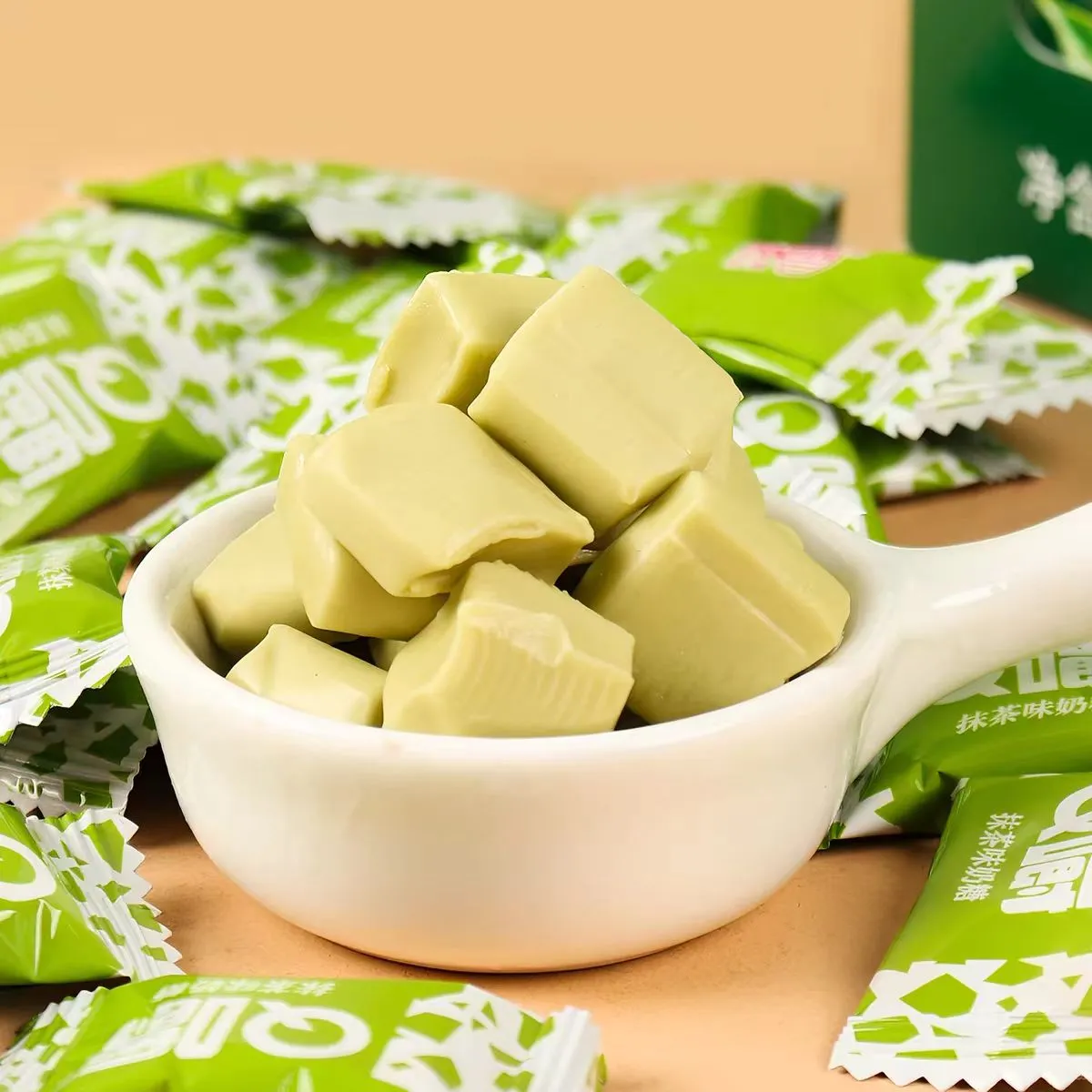
Caramelos blandos y masticables
NICEKISS es un proveedor mayorista de confianza de caramelos blandos y masticables, que ofrece caramelos blandos a granel con una amplia variedad de sabores, formas y opciones de envasado. Ofrecemos soluciones OEM/ODM para mayoristas, minoristas y marcas de todo el mundo.