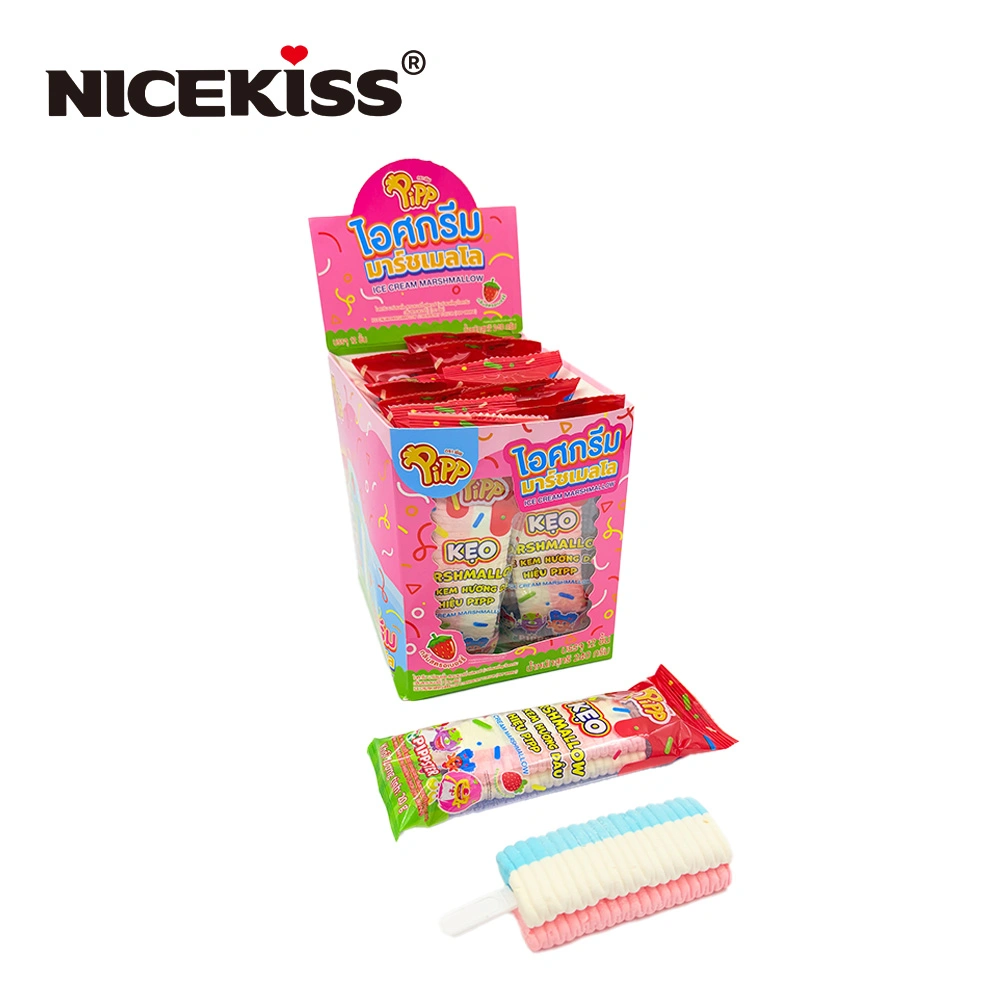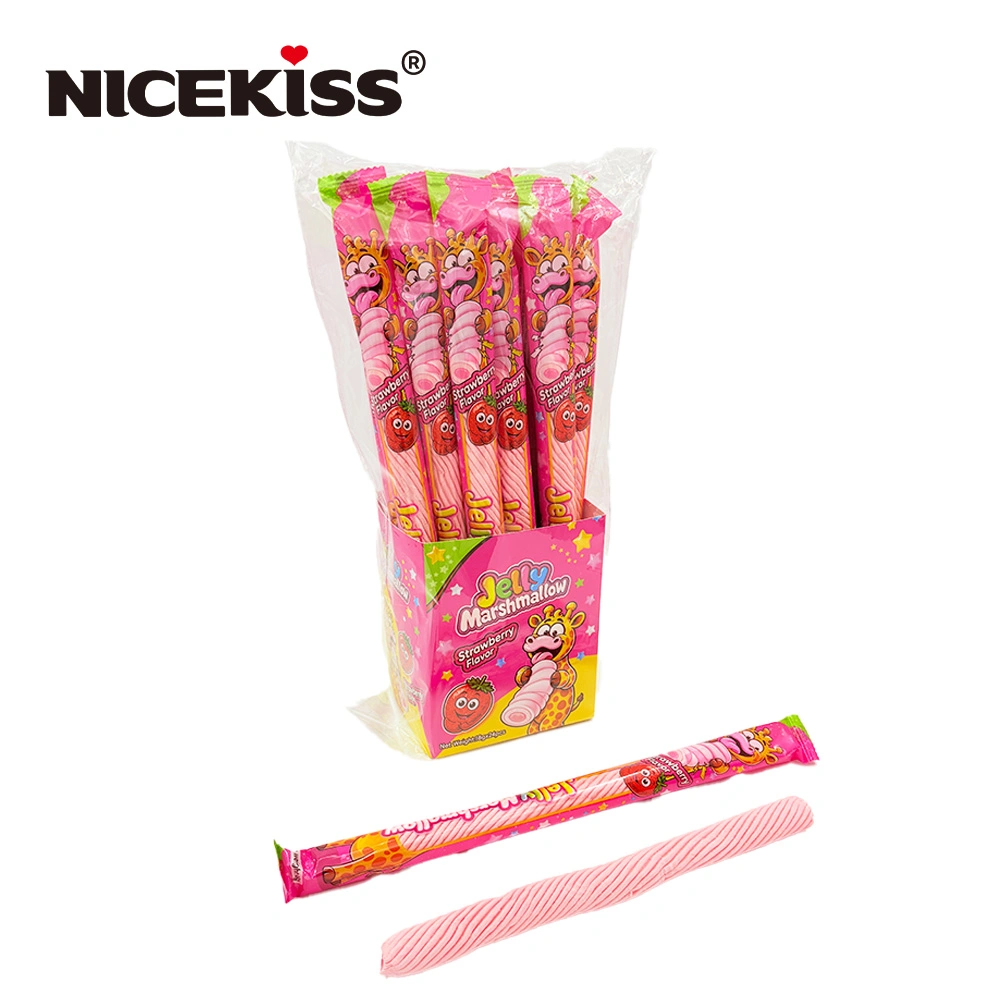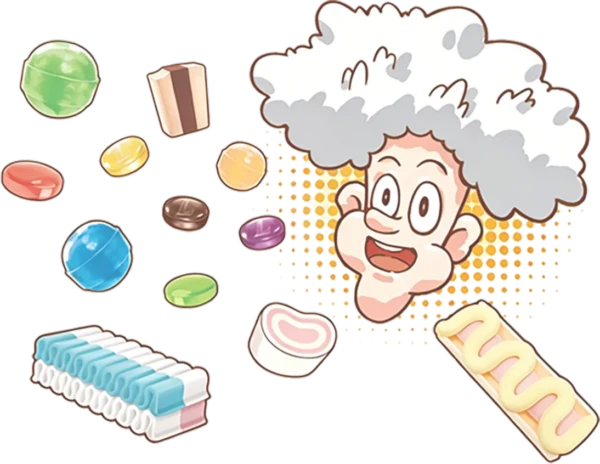
Marshmallows are known for their soft bite, light structure, and slightly elastic feel. However, not all marshmallows have the same marshmallow texture. Some are extra fluffy and airy, while others are denser, chewier, or firmer. These differences can influence how consumers enjoy the product and how brands select marshmallows for retail, confectionery assortments, seasonal promotions, and private label candy lines.
Understanding what affects marshmallow texture is important for both consumers and confectionery businesses. For brands, wholesalers, and retailers, texture consistency can be just as important as flavor, shape, color, and packaging. Choosing an experienced marshmallow manufacturer can help businesses source products that meet their target market’s expectations for softness, elasticity, and overall eating experience.
What Is the Texture of a Marshmallow?
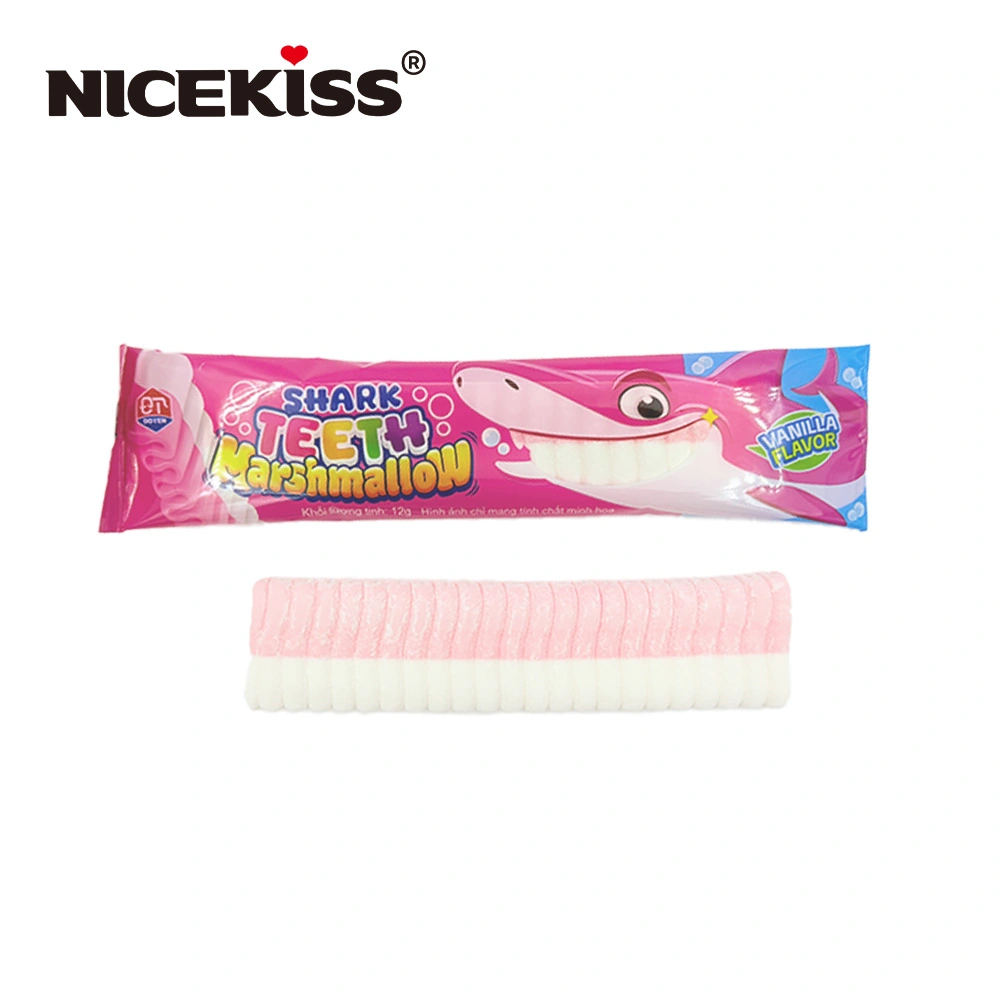
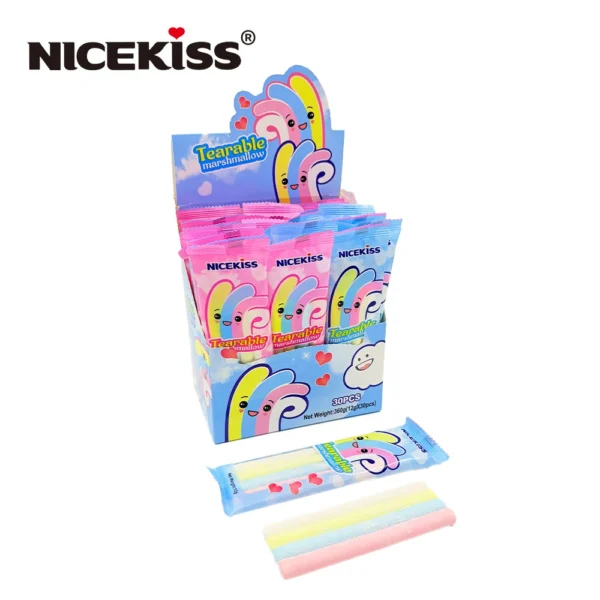
The texture of a marshmallow is typically soft, airy, spongy, and slightly elastic. When pressed gently, a marshmallow may compress and then partially return to its original shape. When bitten, it should feel light rather than dense, with a smooth, tender structure that gradually dissolves as it is chewed.
The exact marshmallow texture depends on the product formulation, the amount of incorporated air, the structure of the setting agents, moisture levels, and storage conditions. Different products may be designed to deliver different experiences depending on their intended use.
Common marshmallow texture characteristics include:
- Softness: The product yields easily when pressed or bitten.
- Fluffiness: Tiny air pockets create a light, expanded structure.
- Elasticity: The marshmallow can compress and recover to some extent.
- Chewiness: The product provides a gentle resistance during chewing.
- Smoothness: The interior feels uniform rather than grainy or uneven.
For B2B buyers, these characteristics help determine whether a product is suitable for retail bags, individually wrapped candy, snack assortments, bakery applications, or themed confectionery products. A wholesale marshmallow product intended for direct snacking, for example, may require a different texture profile from one designed for use as a decorative topping.
What Makes a Marshmallow Fluffy?
A marshmallow becomes fluffy when air is incorporated into its mixture and retained in a stable structure as the product sets. These small air bubbles reduce density and give marshmallows their familiar light, sponge-like feel.
The fluffiness of a marshmallow is influenced by several connected factors.
Air Incorporation and Bubble Size
Air is one of the main contributors to a fluffy marshmallow. During production, air is incorporated into the mixture to create a network of small bubbles. When these bubbles are distributed evenly and remain stable, the finished product develops a light and consistent structure.
If the air distribution is uneven, the marshmallow may have an inconsistent interior, with some areas feeling denser than others. For a commercial marshmallow manufacturer, maintaining a repeatable production process is important for delivering consistent texture across batches.
The Structure That Holds the Air
Air alone cannot create a stable marshmallow. The surrounding mixture must hold the bubbles in place as the product cools and sets. Gelatin is commonly used in traditional marshmallow formulations because it contributes to the characteristic elastic structure. Other formulation choices can influence firmness, stability, and the final mouthfeel.
The balance between air and the surrounding structure affects the overall marshmallow texture. A well-balanced product feels light without falling apart too easily and soft without becoming excessively weak or sticky.
Air incorporation is only one part of the process. The ingredients and manufacturing methods also influence the final structure and consistency. To learn more about the key ingredients and production stages, read our guide to what marshmallows are made of.
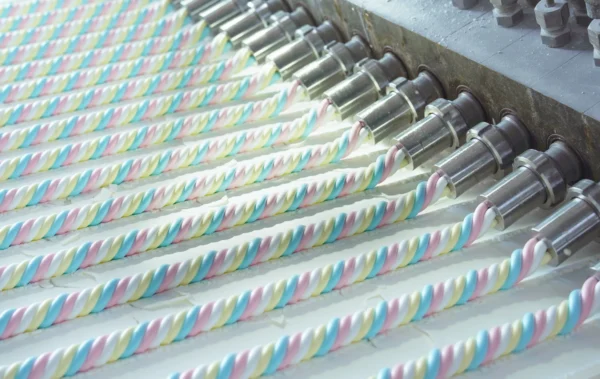
Mixing and Setting Conditions
Mixing conditions influence how air is distributed throughout the mixture, while setting conditions affect how the structure develops. If the process is not adequately controlled, the finished marshmallow may be too dense, too firm, or less uniform than intended.
For brands sourcing bulk marshmallows, production consistency matters because buyers generally expect each batch to provide a similar appearance and eating experience. Discussing the target softness and fluffiness with a potential marshmallow supplier can help clarify product requirements before placing a wholesale order.
Why Are Marshmallows Soft and Elastic?
Marshmallows are soft because their structure contains air and a flexible network that allows the product to compress under pressure. Their elasticity comes from the way the structure responds when pressure is applied and released.
How Formulation Affects Softness
The balance of sugars, syrup, moisture, and setting agents helps determine how firm or tender a marshmallow feels. Changes in formulation can affect its resistance to biting, flexibility, and ability to maintain its shape.
A softer marshmallow may suit products designed for children, gift assortments, or everyday snacking. A firmer option may be more appropriate for certain applications where the product needs to maintain its shape during handling, packing, or distribution.
For buyers developing private label marshmallows, it is useful to define the desired texture before confirming a product specification. Terms such as soft, fluffy, elastic, and chewy can mean different things to different buyers, so product samples provide a practical way to evaluate the expected result.
Why Elasticity Matters
Elasticity contributes to the familiar marshmallow bite. A product with a balanced structure can compress slightly and provide a gentle springiness without feeling rubbery. Too little structure may make a marshmallow weak or fragile, while excessive firmness can make it less tender.
The ideal marshmallow texture depends on the target consumer and intended application. A candy brand focused on soft, bite-sized treats may prioritize a tender mouthfeel, while a brand developing novelty shapes may also need enough structural stability to preserve the product’s appearance.
How Do Sugar, Syrup, and Moisture Affect Marshmallow Texture?
Sugar and syrup contribute sweetness and influence the physical properties of the marshmallow mixture. Moisture also plays an important role in determining whether the finished product feels tender, sticky, firm, or dry.
Sugar and Syrup Balance
Sugar and syrup help form the base structure of many marshmallow products. Their proportions can influence the final firmness, chewiness, and handling characteristics. The effect depends on the overall formulation rather than on one ingredient alone.
For commercial production, the formulation needs to balance sweetness with the required physical properties. A product designed for individual retail packaging may need to remain easy to handle while preserving a pleasant bite throughout its intended shelf life.
Moisture and Freshness
Moisture levels influence how soft a marshmallow feels. If a marshmallow loses too much moisture during storage, it can become firmer and less pleasant to chew. If moisture conditions are poorly controlled, the product may become sticky or experience other quality changes.
Packaging plays an important role in helping protect marshmallows from unsuitable storage conditions. For wholesale marshmallows, buyers should consider packaging performance, shipping conditions, storage recommendations, and expected distribution time when assessing product suitability.
Storage and Handling
Even a well-made product can change texture if it is exposed to unsuitable conditions. Poorly sealed packaging, excessive exposure to air, or inappropriate storage can affect softness and surface condition.
When evaluating a marshmallow supplier, B2B buyers should ask about recommended storage conditions, packaging options, shelf-life specifications, and quality-control procedures. These details help buyers assess whether the product is suitable for their distribution model and target market.
What Causes Marshmallows to Become Hard or Sticky?
A change in marshmallow texture does not always mean that the original formulation was unsuitable. Storage, packaging, and handling can all affect the finished product.
Why Marshmallows Become Hard
Marshmallows may become hard when they lose moisture over time. Exposure to air through an opened bag or insufficiently protective packaging can gradually reduce softness. Temperature fluctuations and extended storage may also affect product quality.
For retailers and distributors, maintaining suitable storage conditions helps preserve the intended eating experience. Businesses purchasing bulk marshmallows should follow the supplier’s storage guidance and check that packaging is appropriate for the planned shipping and warehousing conditions.
Why Marshmallows Become Sticky
Marshmallows can become sticky when surface moisture increases or when storage conditions affect the product’s exterior. Humidity, temperature changes, and contact between individual pieces may contribute to handling difficulties.
Sticky products can be harder to portion, package, display, and transport. For custom marshmallows or novelty-shaped products, surface condition is especially important because pieces may need to maintain a clean appearance and remain easy to separate.
Buyers should evaluate both the texture and the packaging of samples before confirming a large order. A suitable packaging format can help protect product quality during storage and distribution.
How Can Manufacturers Maintain Consistent Marshmallow Texture?
Consistent texture is an important quality consideration for commercial marshmallow production. Buyers sourcing wholesale or private label products should assess more than the sample’s first impression. They should also consider whether the supplier can maintain similar characteristics across production batches.
Standardized Formulation and Production
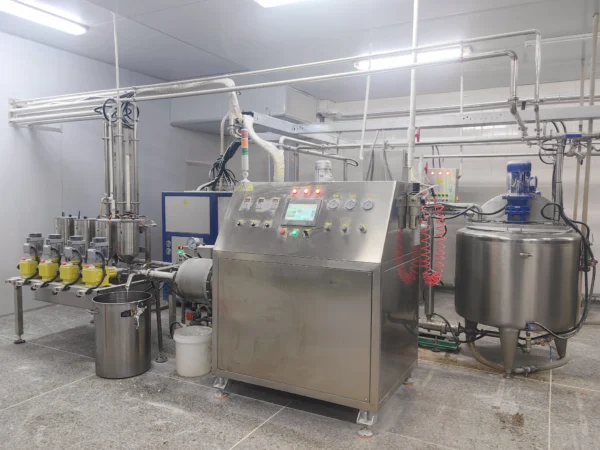
A standardized formulation and controlled production process help reduce unwanted variation. Factors such as ingredient proportions, mixing, air distribution, setting conditions, and moisture control can all influence the finished product.
Ein zuverlässiger Marshmallow-Hersteller should be able to discuss the product specifications and quality checks relevant to the order. This is particularly important for importers, distributors, retailers, and confectionery brands that need repeatable quality across multiple shipments.
Product Sampling and Specification Confirmation
Samples allow buyers to evaluate softness, fluffiness, elasticity, flavor, size, shape, and appearance before making a purchasing decision. They also provide a reference for communicating product expectations.
For OEM marshmallow manufacturing, buyers should confirm the desired product format, weight, dimensions, flavor, color, packaging, and target texture. If the project involves custom marshmallows, clear specifications help align the development process with the brand’s intended positioning.
Packaging and Shelf-Life Requirements
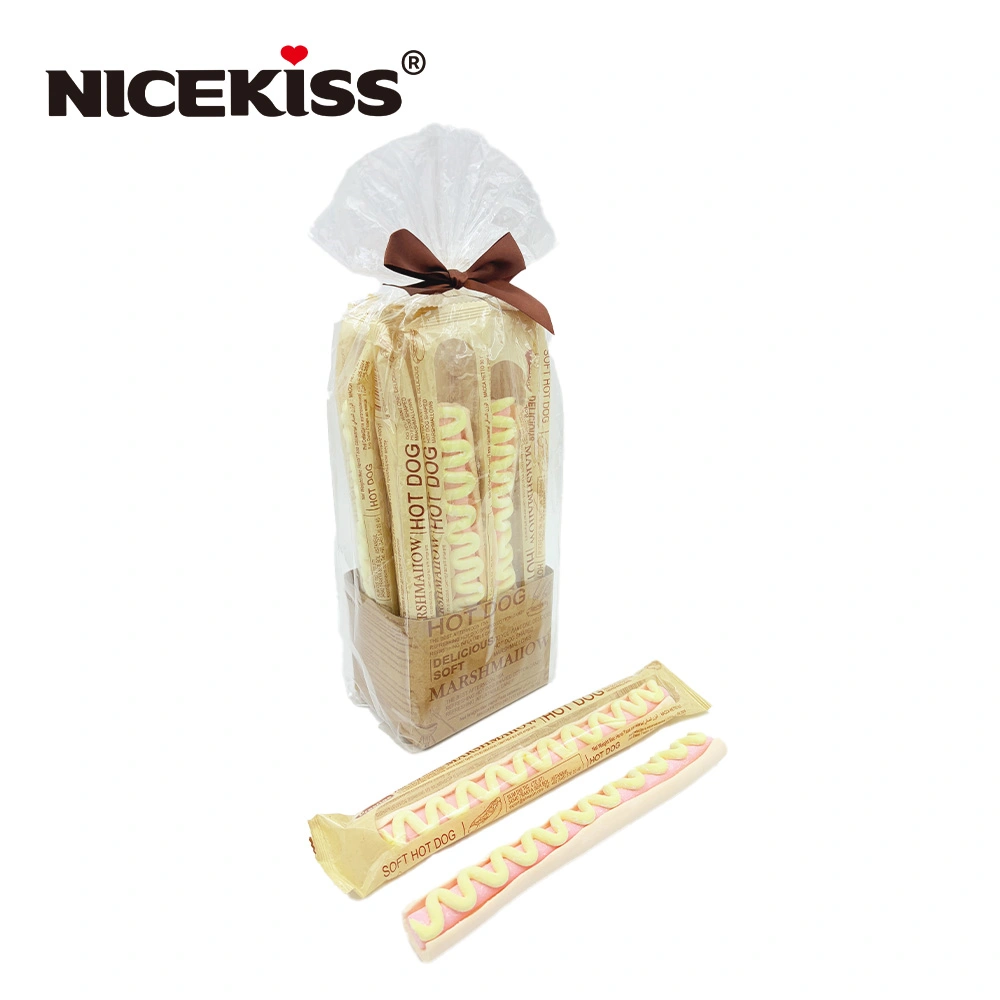
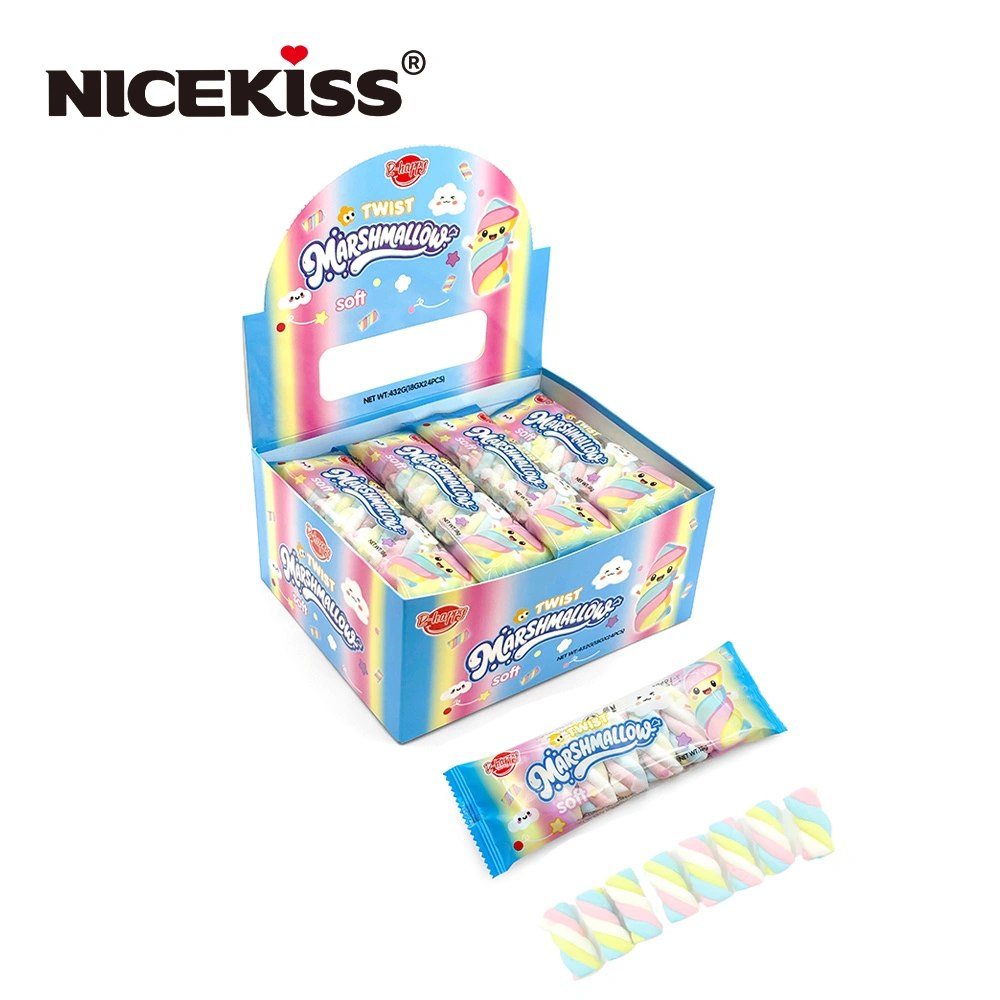
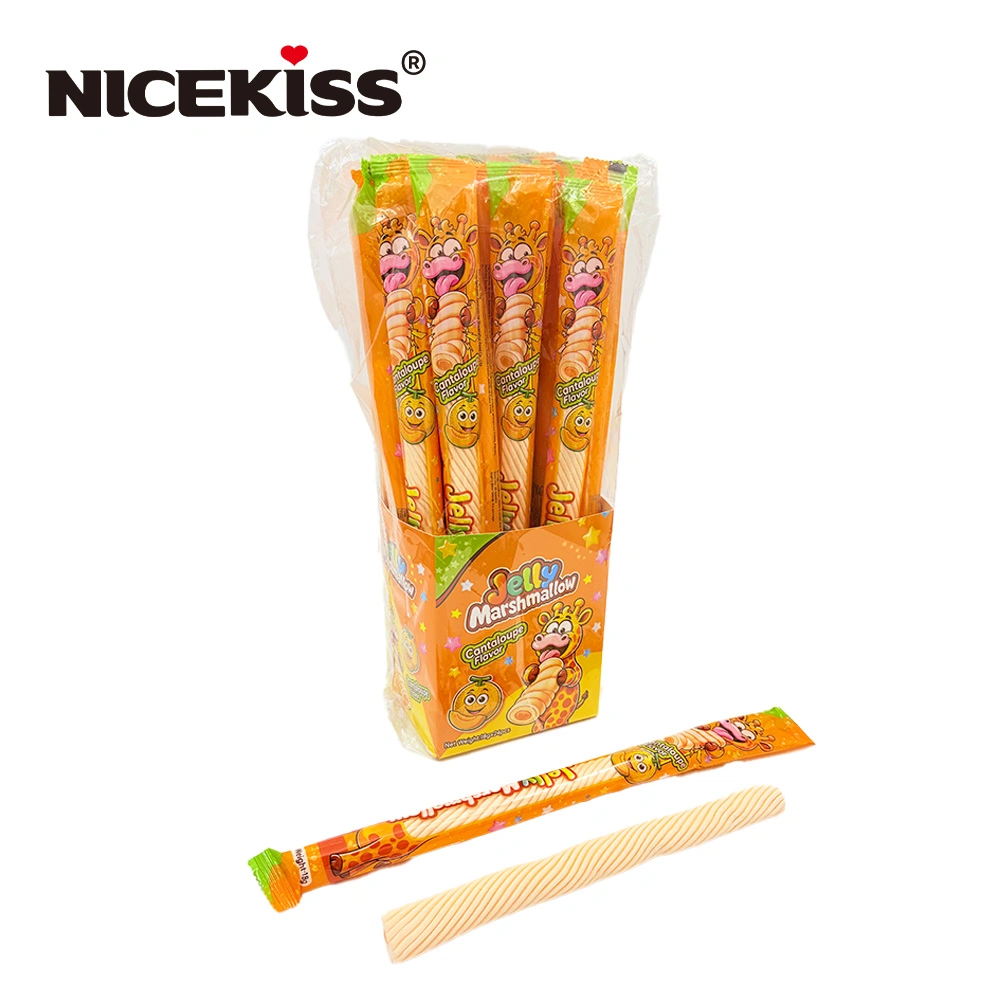
The right packaging should fit the product, distribution channel, and storage requirements. Individual wrapping, retail bags, and bulk packaging may serve different commercial purposes.
When comparing marshmallow suppliers, buyers should review packaging options, shelf-life information, minimum order quantities, lead times, and quality-control arrangements. These factors help determine whether a product is appropriate for retail distribution, food service, promotional campaigns, or private label launches.
How to Choose the Right Marshmallow Texture for Your Business
The best texture depends on the intended use, target customer, and product positioning. Before placing a wholesale order, buyers should identify which characteristics matter most to their business.
| Business application | Texture priorities | What buyers should evaluate |
|---|---|---|
| Retail candy bags | Soft, fluffy, pleasant to chew | Texture consistency, piece size, packaging |
| Individually wrapped marshmallows | Soft with good handling properties | Wrapping format, surface condition, shelf life |
| Novelty and shaped marshmallows | Soft with sufficient structural stability | Shape retention, appearance, product uniformity |
| Private label candy ranges | Consistent with brand positioning | Sample approval, specifications, repeatability |
| Wholesale distribution | Stable quality during storage and shipping | Packaging protection, lead time, storage guidance |
When comparing bulk marshmallows, buyers should request samples and communicate their target texture clearly. It is also helpful to ask whether the supplier can support the required flavors, sizes, shapes, packaging formats, and order quantities.
For brands planning a new product launch, early discussions with a qualified marshmallow supplier can help clarify feasibility, sampling requirements, and production expectations.
Häufig gestellte Fragen
What is the texture of a marshmallow?
The texture of a marshmallow is generally soft, fluffy, spongy, and slightly elastic. Its exact firmness and chewiness depend on the formulation, air distribution, moisture level, and storage conditions.
What makes a marshmallow fluffy?
A marshmallow becomes fluffy when air is incorporated into the mixture and held within a stable structure as the product sets. Even air distribution and a suitable formulation help create a light, consistent texture.
Why are marshmallows soft?
Marshmallows are soft because their structure contains air and a flexible network that can compress when bitten. Formulation, moisture, and storage conditions all influence the final softness.
Why do marshmallows become hard over time?
Marshmallows can become hard when they lose moisture during storage, particularly if the packaging is left open or does not provide adequate protection. Following recommended storage instructions helps maintain product quality.
Can marshmallow texture be adjusted for private label products?
Texture requirements can be discussed during product development, depending on the manufacturer’s capabilities and formulation options. Buyers should communicate their target softness, fluffiness, elasticity, product size, and intended application, then evaluate samples before confirming specifications.
Fazit
Marshmallow texture is shaped by the balance between air, formulation, structure, moisture, and storage conditions. These factors determine whether a marshmallow feels soft, fluffy, elastic, chewy, or firm. Understanding them helps confectionery brands and wholesale buyers select products that suit their target consumers and distribution requirements.
For businesses sourcing wholesale marshmallows, consistent quality is just as important as flavor, appearance, and packaging. Evaluating samples, confirming product specifications, and discussing quality-control and shelf-life requirements with a reliable marshmallow manufacturer can help reduce uncertainty before a bulk order.
Über Nicekiss Candy
Nicekiss Candy supplies confectionery products for business customers seeking wholesale and product sourcing solutions. For brands, importers, distributors, and retailers exploring marshmallow products, choosing a suitable supplier starts with clear requirements for product format, flavor, texture, packaging, and order volume.
Looking for a marshmallow supplier for your next product range? Kontaktieren Sie Nicekiss Candy to discuss your wholesale or OEM requirements, request product information, and explore suitable marshmallow options for your market.
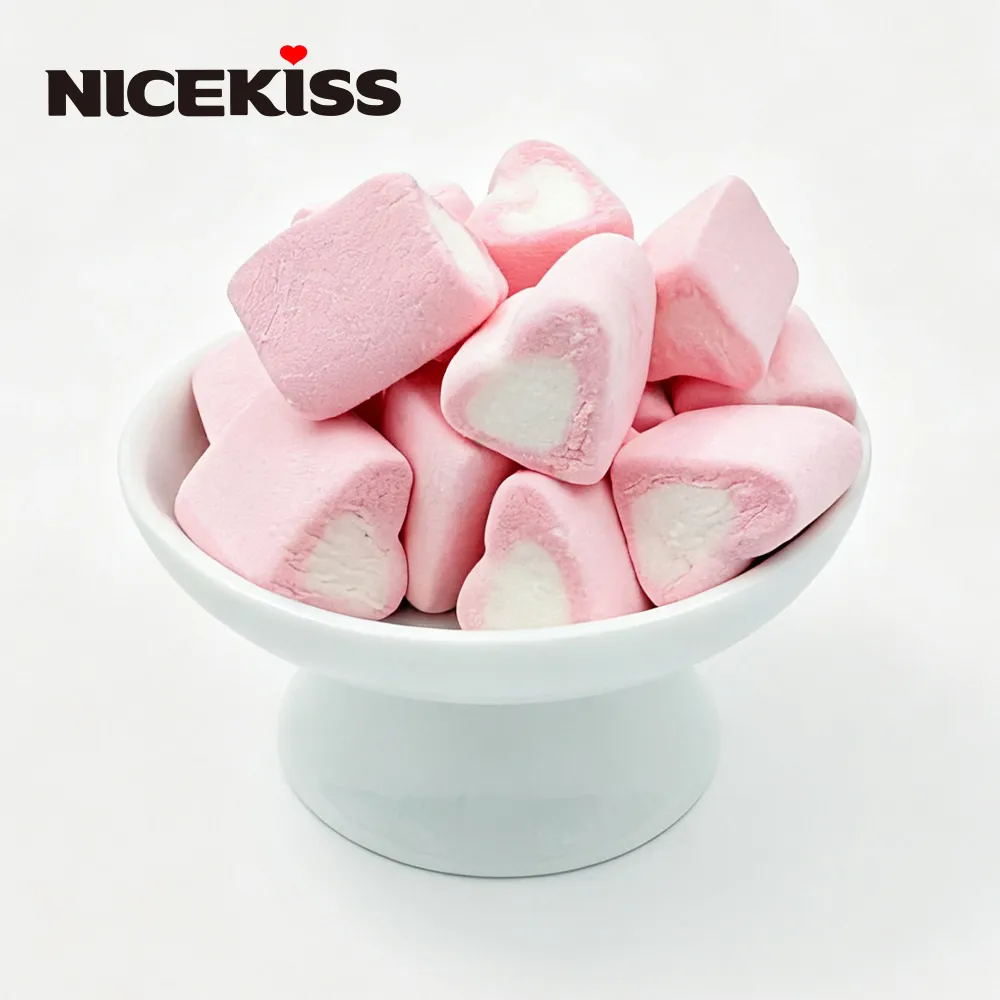
Marshmallow
NICEKISS ist ein Großhandelshersteller von Marshmallows in China und liefert Marshmallows in Großmengen mit flexiblen Geschmacksrichtungen, Formen, Farben und Verpackungsoptionen. Wir bieten OEM-/ODM-Lösungen für globale Großhändler, Einzelhändler und Marken an.