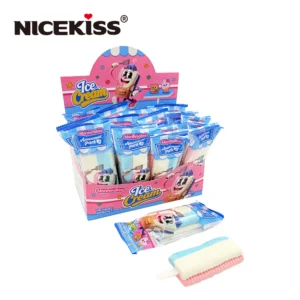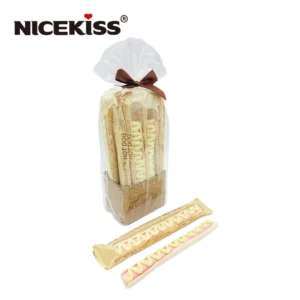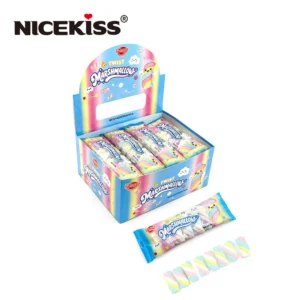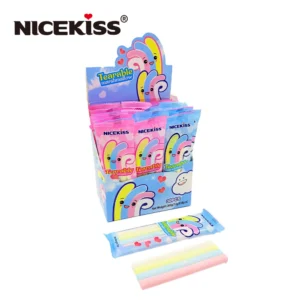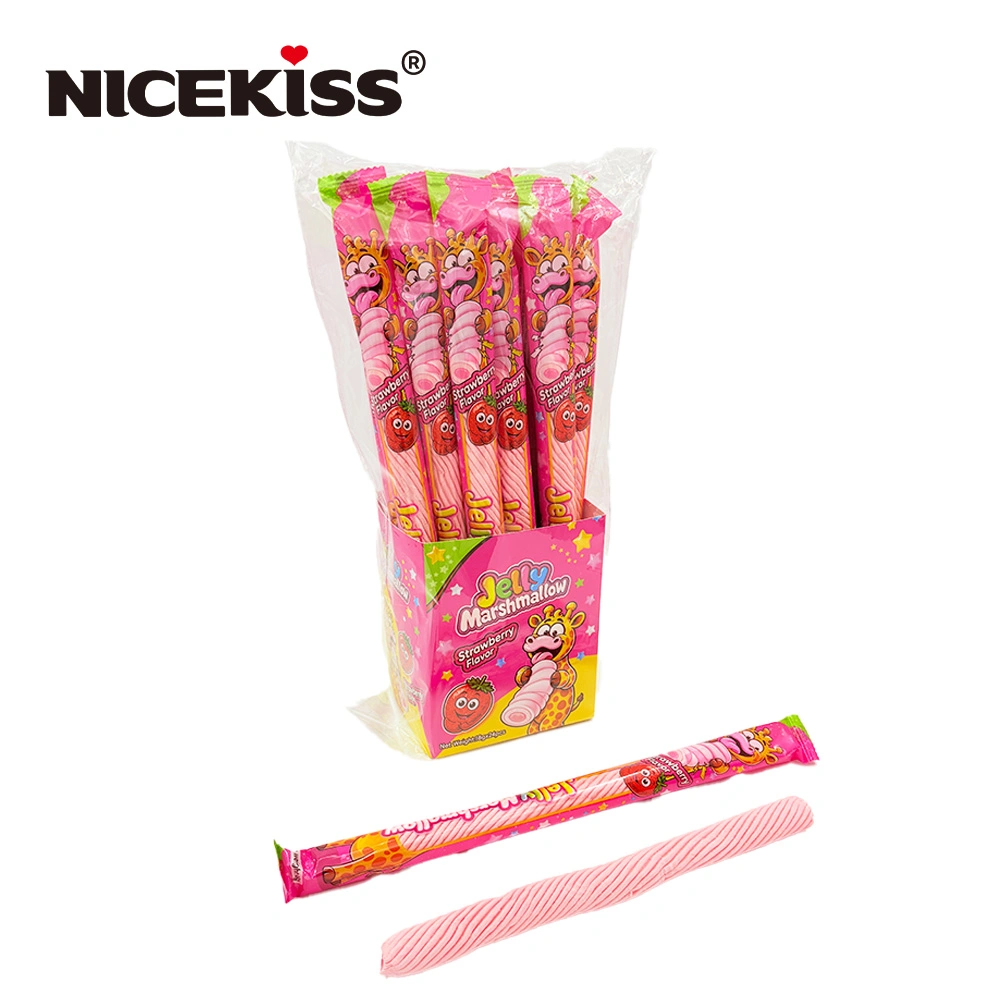
Choosing the right wholesale marshmallows involves more than comparing prices. Retailers, distributors, importers, and private label brands need to consider product types, sizes, flavors, packaging, shelf life, order quantities, and supplier reliability. The right combination can help businesses meet customer expectations, manage inventory efficiently, and build a competitive confectionery range.
For supermarkets, candy stores, and growing candy brands, purchasing decisions should reflect the target market and sales channel. Some buyers prioritize individually packaged products for convenient retail sales, while others need bulk marshmallows for repackaging, distribution, or specific commercial applications. Understanding these requirements before contacting a supplier can make sourcing more efficient and help reduce unnecessary costs.
What Should Buyers Consider When Sourcing Wholesale Marshmallows?
Before placing an order, buyers should define their target customers, expected sales volume, product specifications, and packaging requirements. These factors influence which marshmallow products are suitable and which suppliers can meet the business’s needs.
The main purchasing considerations include:
- Product selection: Choose suitable shapes, sizes, flavors, and formats for the target market.
- Packaging: Compare retail-ready packaging with bulk formats based on storage, distribution, and selling requirements.
- Product quality: Evaluate appearance, softness, texture, and consistency through samples.
- Shelf life and storage: Confirm the stated shelf life and recommended storage conditions for the specific product.
- Order quantity: Check the minimum order quantity (MOQ) and whether it matches the purchasing budget and sales forecast.
- Supplier capability: Assess communication, production arrangements, lead times, and the ability to maintain consistent specifications.
A clear purchasing brief helps buyers compare wholesale marshmallows on more than price alone. It also gives suppliers the information needed to recommend suitable products and provide accurate quotations.
Choose Marshmallow Products for Different Sales Channels
Different sales channels have different product requirements. A product that works well in a supermarket may not be the best option for a specialty candy store or a brand developing its own confectionery line.
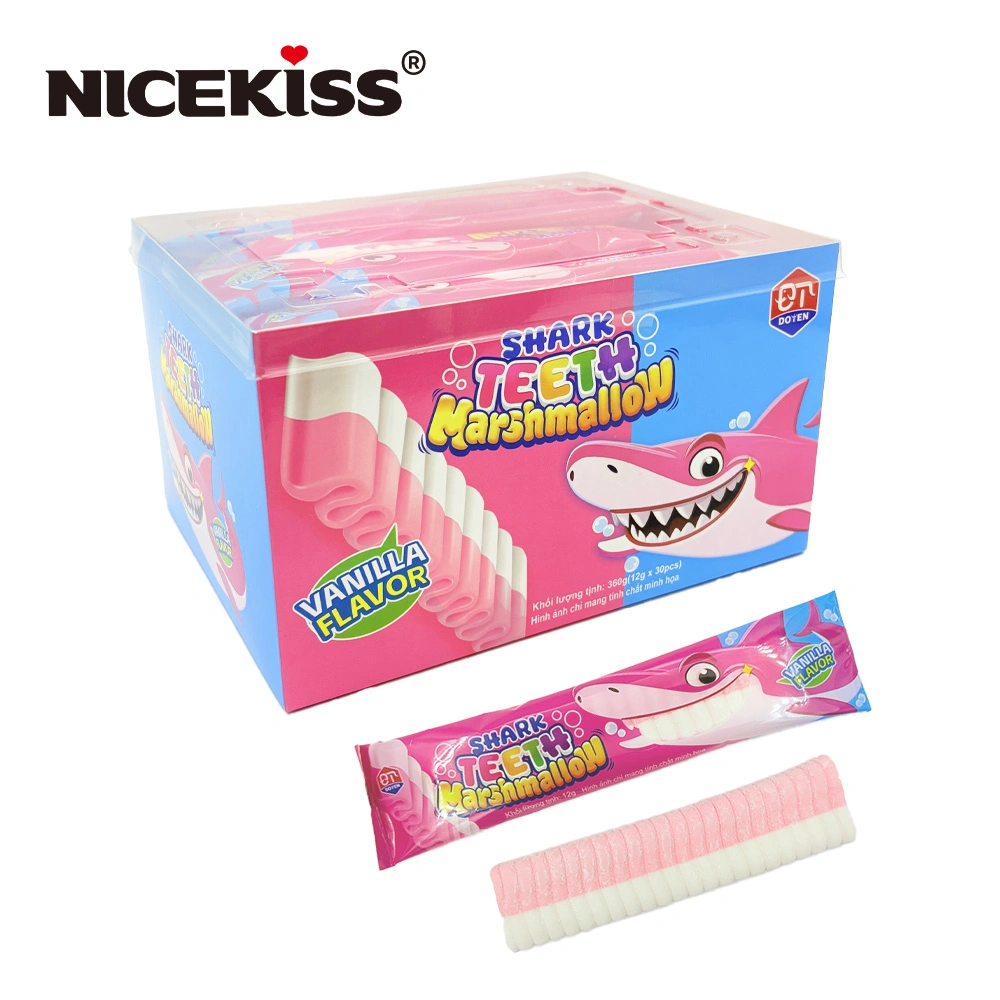
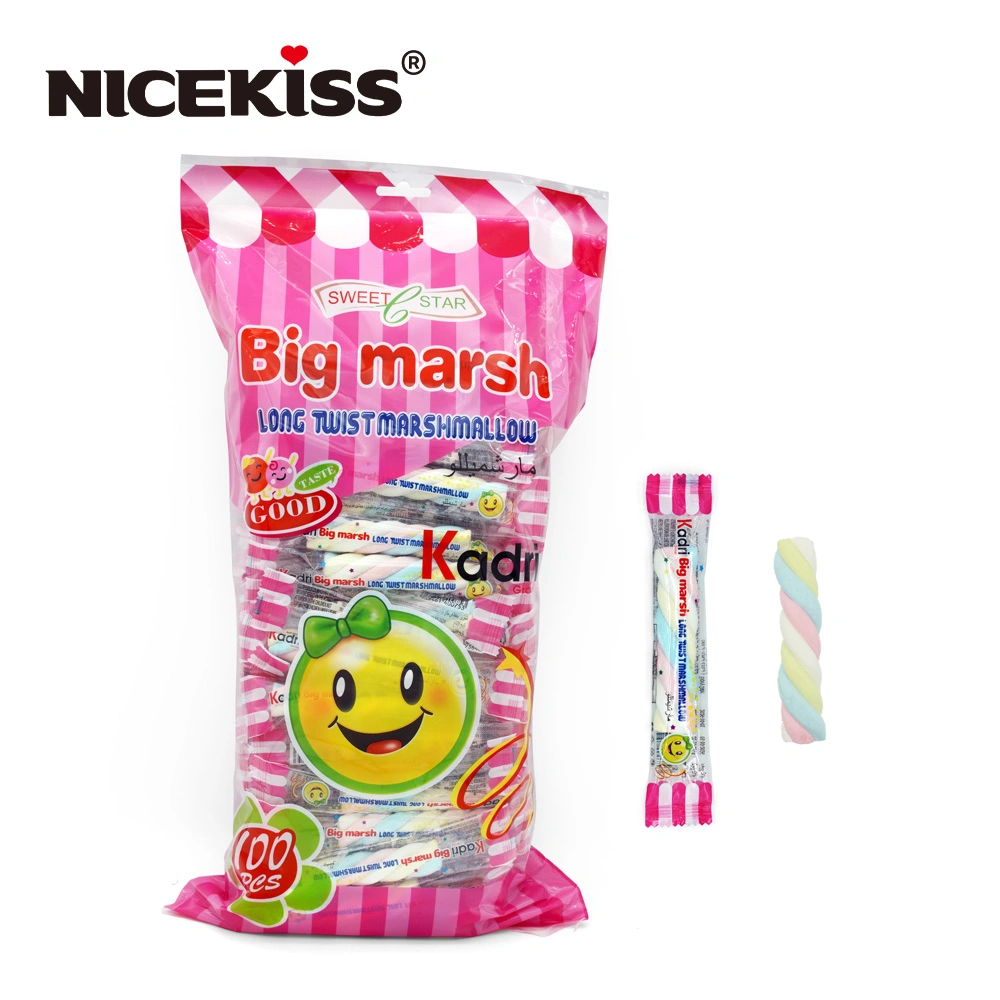
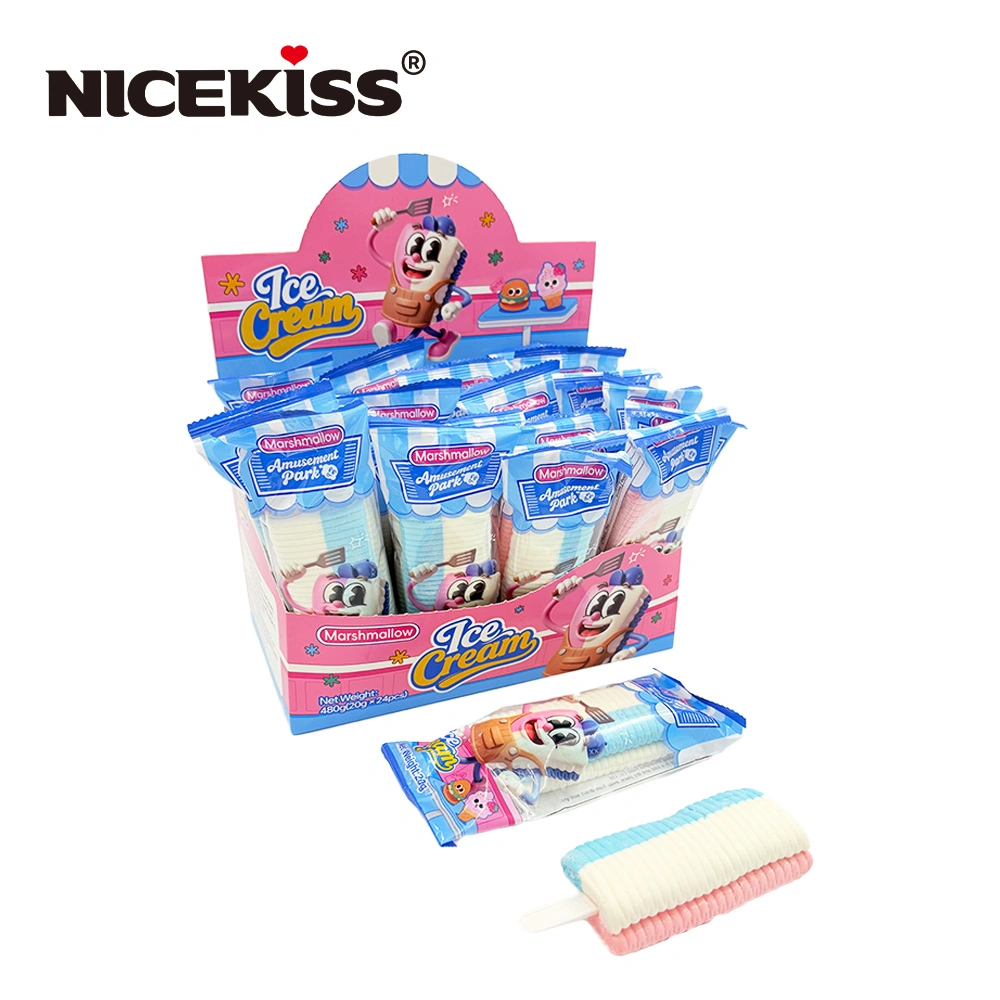
Marshmallows for Supermarkets and Grocery Stores
Supermarkets and grocery stores typically need products that are easy to display, simple for consumers to understand, and suitable for regular replenishment. Retail packaging, clear product information, consistent piece sizes, and attractive presentation can all influence purchasing decisions.
When sourcing wholesale marshmallows for supermarket shelves, buyers should consider:
- Packaging sizes that fit the store’s product range and price points
- Product appearance and flavor options suited to local consumer preferences
- Packaging durability during transport, storage, and shelf display
- Shelf life that aligns with distribution and inventory turnover
- Reliable replenishment to maintain product availability
Retailers should also confirm labeling requirements for their intended market, including applicable ingredient, allergen, and language information.
Marshmallows for Candy Stores and Distributors
Candy stores may prefer a varied assortment of colors, shapes, sizes, and flavors to create an engaging product range. Distributors, meanwhile, may prioritize order efficiency, consistent specifications, packaging suitability, and the ability to supply multiple customers.
Bulk marshmallows can be appropriate for certain distribution or repacking arrangements, provided the packaging, labeling, food safety, and handling requirements are met. Buyers should confirm whether the product is intended for direct retail sale, further packing, or another specific use before ordering.
When comparing marshmallow candy wholesale options, businesses should also consider how easily products can be stored, handled, separated, and transported without compromising their condition.
Marshmallows for Private Label Brands
Private label brands need products that fit their market positioning and can be supplied according to clearly defined specifications. Depending on the manufacturer’s capabilities, buyers may explore different product sizes, shapes, flavors, colors, or packaging formats.
Before sourcing private label marshmallows, brands should prepare a product brief covering:
- Target customers and sales channels
- Desired product type, size, shape, and flavor
- Packaging format and artwork requirements
- Expected order quantity and purchasing schedule
- Target market and applicable labeling requirements
Buyers should confirm which options are already available and which would require additional development. Sample approval and written product specifications can help establish a shared understanding before mass production.
Compare Marshmallow Sizes, Shapes and Flavors
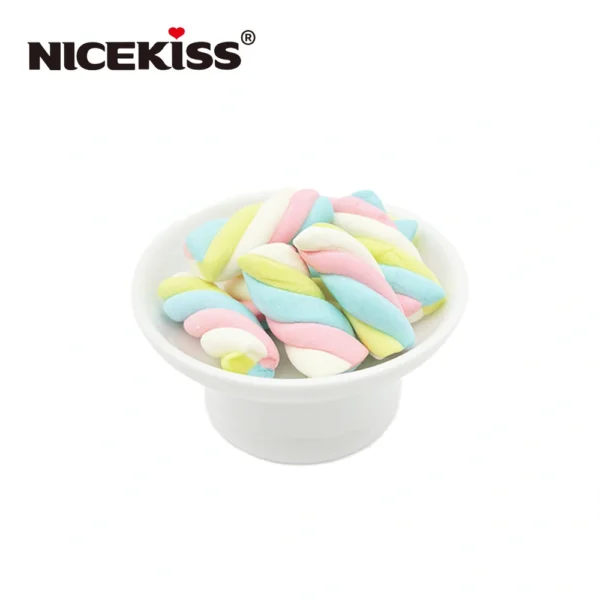
Product specifications influence both customer experience and commercial suitability. When selecting wholesale marshmallows, buyers should consider how size, shape, and flavor fit the intended product range.
Product Size and Weight
Different piece sizes can serve different consumer needs and packaging formats. Smaller pieces may suit snack assortments or certain portion-controlled applications, while larger pieces may be appropriate for products positioned as individual treats.
Buyers should confirm piece weight, dimensions, acceptable variation, and pack quantity with the supplier. These details affect packaging calculations, retail presentation, and the consistency of the finished pack.
Shapes and Colors
Standard shapes can simplify product selection, while distinctive shapes and colors may help brands create a recognizable range. However, buyers should evaluate whether a proposed product can be manufactured consistently and whether its appearance will remain suitable through packing and distribution.
For custom marshmallows, confirm the manufacturer’s actual customization capabilities, sampling process, additional costs, and minimum order requirements before finalizing a project.
Выбор вкуса
Flavor preferences vary by market, retail channel, and target audience. Buyers may consider familiar options for a broad consumer base or a more focused selection for a specialty range.
When evaluating flavors, request samples and confirm the available flavor list rather than assuming every flavor can be supplied in every shape or packaging format. A focused assortment can help new buyers test demand before expanding their range.
Select the Right Marshmallow Packaging
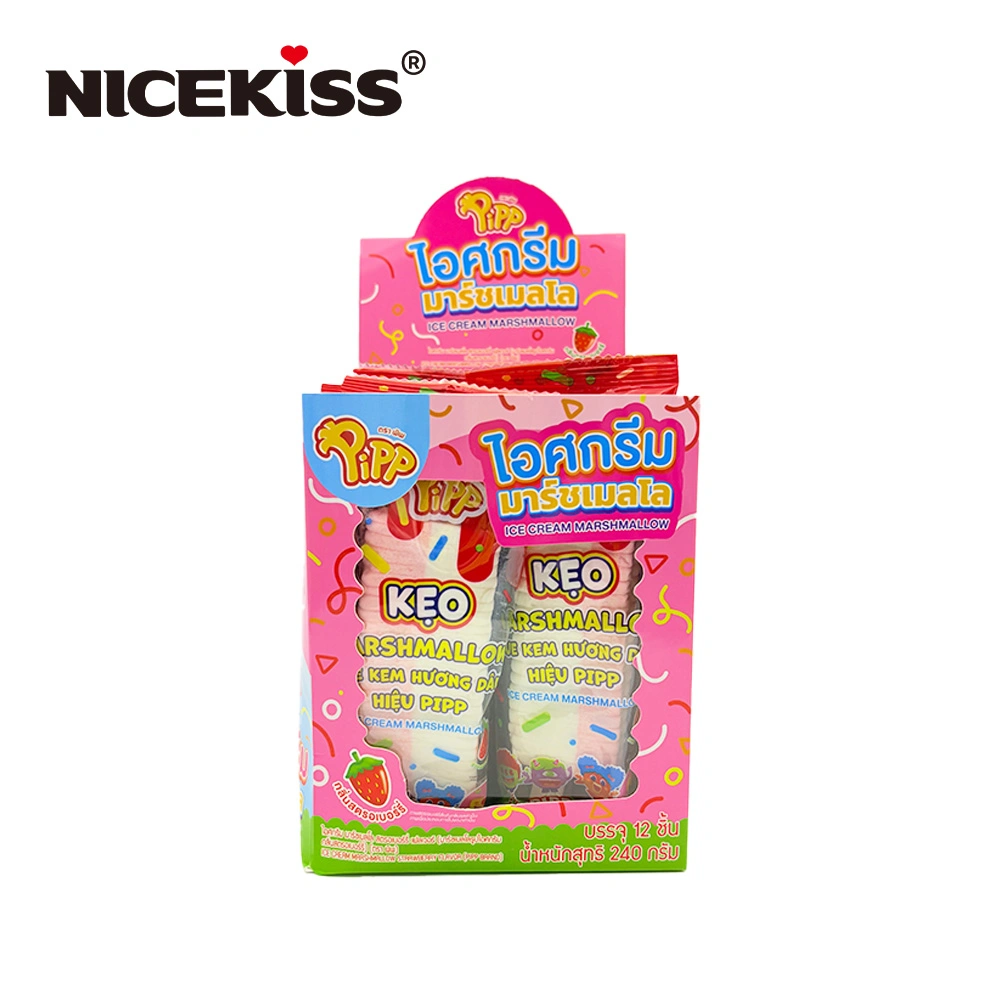
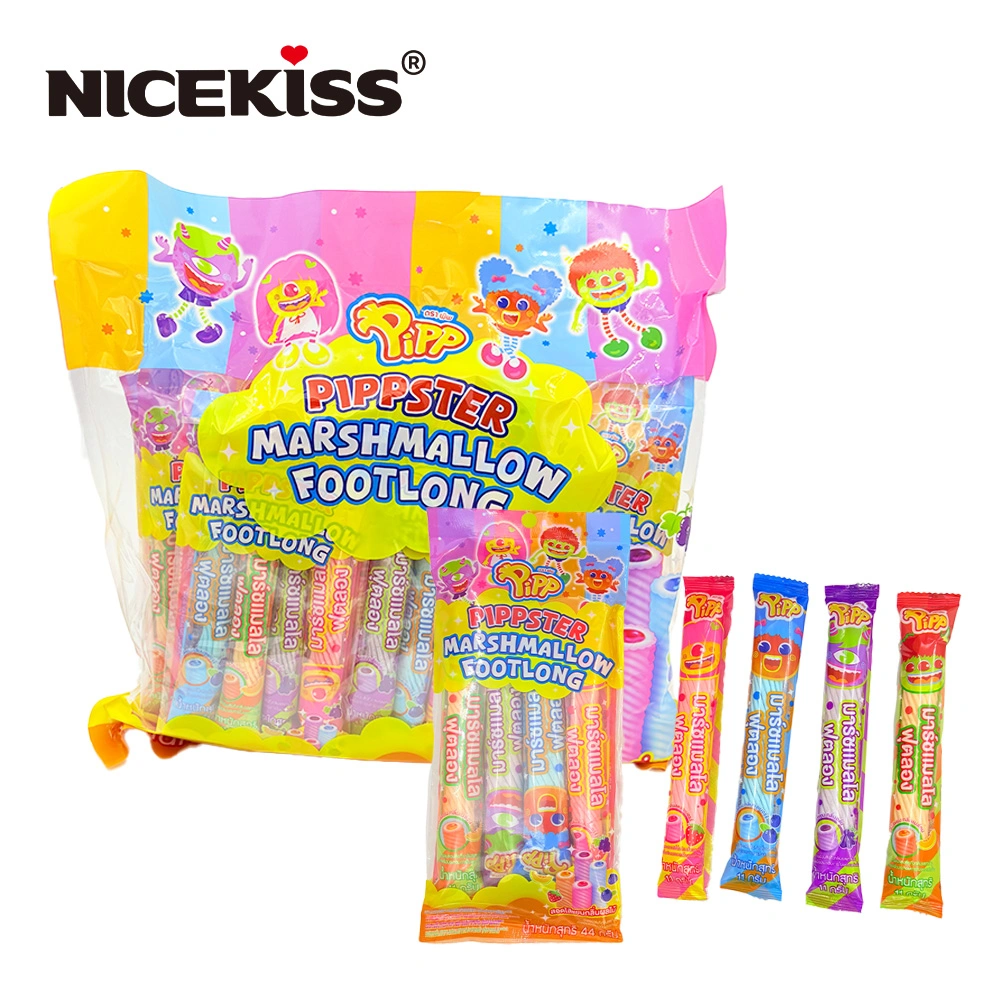
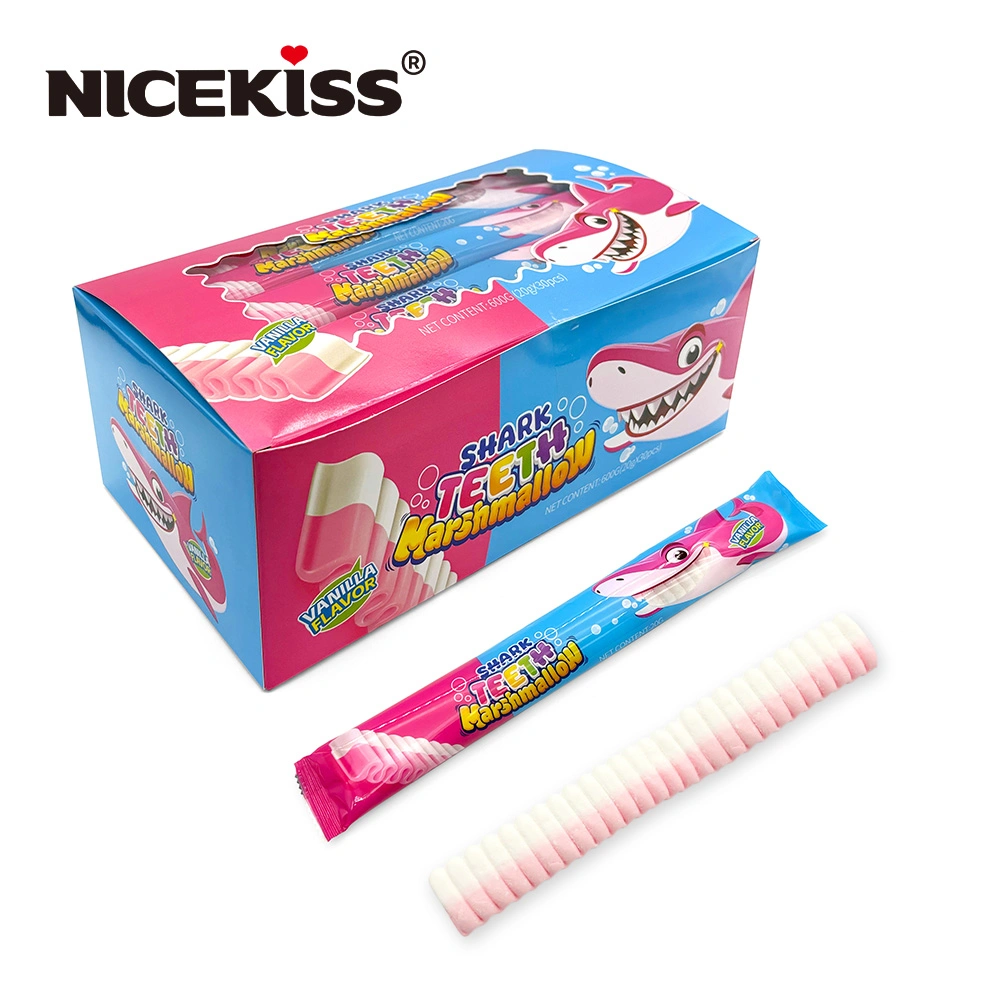
Packaging affects product presentation, handling, storage, and distribution. The best format depends on where the marshmallows will be sold and how they will move through the supply chain.
Retail-Ready Packaging
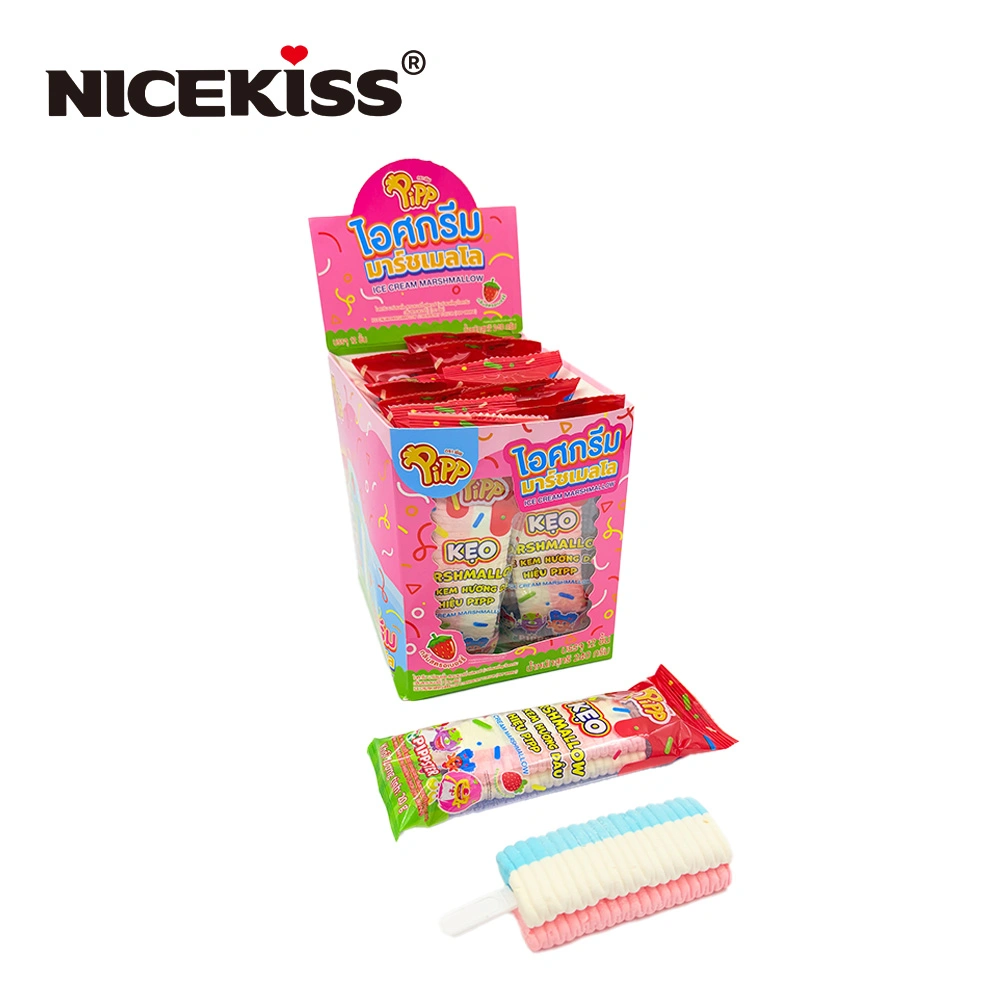
Retail-ready packs are intended to be displayed and sold to consumers. Buyers should evaluate pack size, visual presentation, product information, sealing, and how easily the package fits the intended shelf or display.
For supermarkets and candy stores, packaging should support the product’s positioning while meeting applicable labeling and food-contact requirements in the destination market.
Оптовая упаковка
Bulk marshmallows may suit distributors, commercial buyers, or businesses with appropriate repacking arrangements. Before purchasing, confirm the quantity per case, inner packaging, handling instructions, and whether the format is intended for the planned use.
Buyers should not assume that bulk packaging is automatically more economical. The total cost may also include storage, repacking, labor, additional packaging materials, and compliance requirements.
Individually Packaged Products
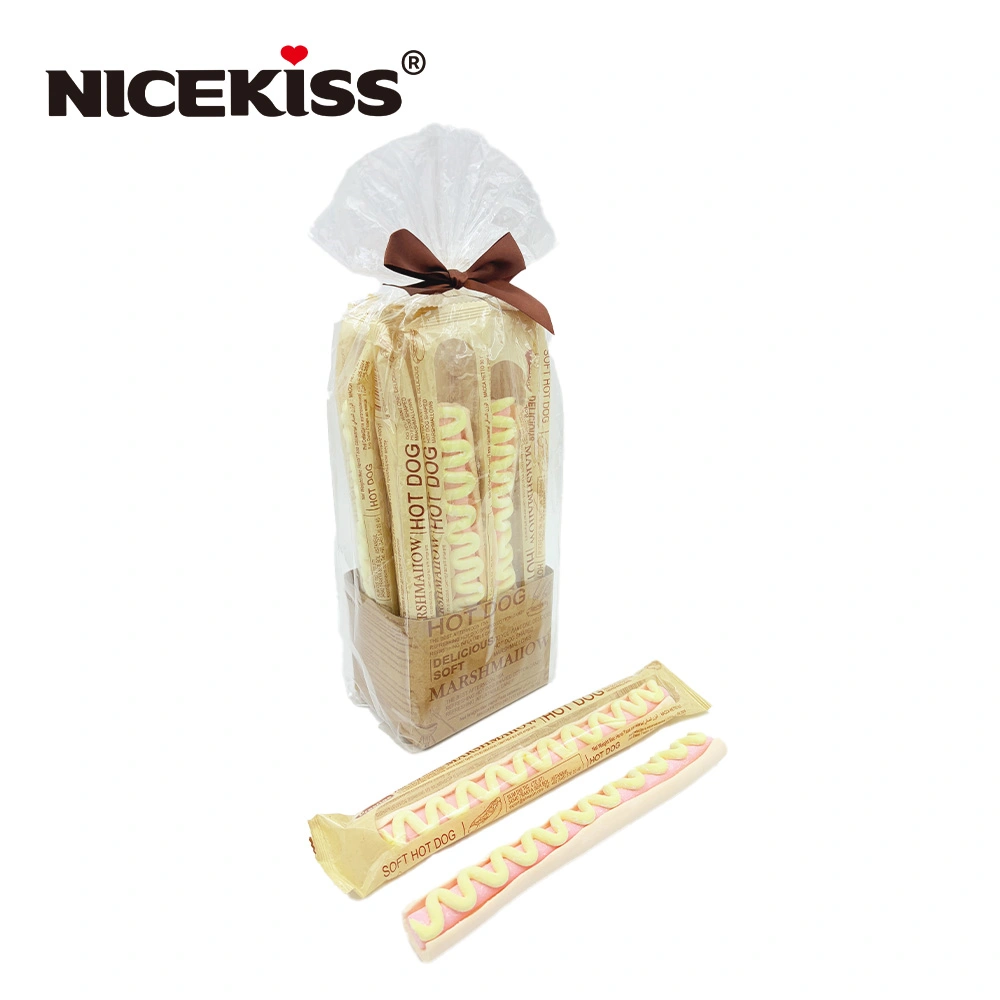
Individually packaged marshmallows may be suitable for certain retail programs, promotional uses, or portion-controlled sales. Buyers should confirm the actual available formats, packaging materials, case quantities, and product specifications.
Regardless of format, packaging should be suitable for protecting the product during the expected storage and distribution period. Request packaging details and samples when evaluating options.
Check Marshmallow Shelf Life, Storage, and Product Quality
Shelf life and storage conditions are important considerations when purchasing wholesale marshmallows, particularly when products will travel through multiple distribution stages.
Confirm Shelf Life and Storage Requirements
Buyers should request the manufacturer’s stated shelf life for the specific product and packaging format. They should also confirm the recommended storage conditions, the method used to identify production batches, and how remaining shelf life is handled at dispatch.
Shelf life can vary with formulation, processing, packaging, and storage conditions. For this reason, buyers should rely on product-specific documentation rather than applying a general shelf-life estimate to every marshmallow product.
Evaluate Product Quality Through Samples
Samples allow buyers to assess appearance, flavor, softness, texture, aroma, and handling characteristics before committing to a larger order.
For repeat purchasing, buyers should agree on written specifications and clarify how the supplied product should match the approved sample. Businesses can also ask about relevant quality checks and how the supplier handles products that do not meet agreed specifications.
Consider Packaging and Transportation
Long-distance shipping can expose products to changing environmental conditions and extended handling. Buyers should discuss suitable packaging, shipping arrangements, and storage recommendations with the supplier.
For international orders, it is also important to confirm the documentation and labeling requirements applicable to the destination market. These details should be settled before production and shipment to help avoid preventable delays.
Evaluate the Marshmallow Supplier Before Ordering
Choosing a reliable marshmallow supplier is an important part of reducing sourcing risks. Buyers should evaluate whether a potential partner can provide suitable products, communicate requirements clearly, and support the planned order schedule.
Check Product Range and Manufacturing Capabilities
A производитель зефира should be able to explain its available products, specifications, packaging formats, and order requirements. Buyers looking for particular sizes, shapes, or flavors should confirm availability directly rather than assuming these options are standard.
If a project involves private label or custom development, ask which elements can be adjusted, what information is needed for sampling, and whether additional tooling or development costs may apply.
Confirm MOQ, Lead Time and Order Terms
The minimum order quantity can affect the feasibility of a new product launch or an initial market test. Buyers should clarify MOQ by product, flavor, packaging format, and any custom requirements.
Lead time should also be confirmed for samples, production, packing, and shipment. It may differ between standard products and customized orders, so buyers should request a timeline based on their actual specifications.
Review Communication and Quality Documentation
Clear communication helps prevent misunderstandings about product specifications, packaging artwork, quantities, and delivery expectations. Buyers should establish who will approve samples and artwork, which specifications will be documented, and how changes will be managed.
Depending on the product and destination market, buyers may also need relevant product specifications, ingredient and allergen information, certificates, or other supporting documents. Confirm which documents are available and which are required for the transaction.
What to Confirm Before Placing a Wholesale Marshmallows Order
Before confirming an order, buyers can use the following checklist to make sure the key requirements have been discussed.
| Purchasing item | What to confirm |
|---|---|
| Технические характеристики продукта | Product type, flavor, shape, size, piece weight, and pack quantity |
| Упаковка | Retail-ready, bulk, or individually packaged format |
| Quality | Sample approval and written product specifications |
| Срок годности | Product-specific shelf life, storage conditions, and batch information |
| Order quantity | MOQ, quantity per case, and total order volume |
| Pricing | Product price, packaging costs, development costs, and other applicable charges |
| Lead time | Sample preparation, production, packing, and shipping schedule |
| Documentation | Product information, labeling, and destination-market requirements |
| Repeat orders | Process for confirming specifications and managing future orders |
This checklist helps buyers compare suppliers using consistent criteria. It also makes it easier to identify missing information before payment, production, or shipment.
FAQs About Wholesale Marshmallows
What should buyers look for when purchasing wholesale marshmallows?
Buyers should evaluate product specifications, packaging, quality, shelf life, MOQ, lead time, and supplier communication. The right choice depends on the sales channel, target consumers, and planned order volume.
What is the difference between bulk and retail-packaged marshmallows?
Bulk marshmallows are supplied in larger quantities and may suit distribution or appropriate repacking operations. Retail-packaged marshmallows are prepared for consumer-facing sales. Buyers should confirm the intended use, packaging details, and applicable labeling requirements for each format.
What information should buyers request from a marshmallow supplier?
Useful information includes product specifications, available flavors and formats, sample options, MOQ, pricing, production and shipping lead times, shelf-life details, storage recommendations, and relevant product documentation.
How can buyers check marshmallow shelf life and storage requirements?
Ask the supplier for product-specific shelf-life information, recommended storage conditions, and relevant batch details. Buyers should also consider the expected transportation and warehouse conditions throughout the supply chain.
What should brands confirm before ordering private label marshmallows?
Brands should confirm the product brief, available customization options, packaging artwork, sample approval, MOQ, pricing, lead time, and destination-market labeling requirements. All agreed specifications should be documented before mass production.
Заключение
Choosing wholesale marshmallows for supermarkets, candy stores, and private label brands requires a clear understanding of product specifications, sales channels, packaging, quality, and supplier capabilities. Buyers who define their requirements before requesting quotations can compare options more effectively and make better-informed purchasing decisions.
Beyond the initial price, businesses should consider the total cost of sourcing, the suitability of packaging, the stated shelf life, and the supplier’s ability to meet agreed specifications. Reviewing samples and confirming order details in writing can help reduce uncertainty and support more consistent repeat purchases.
For importers, distributors, retailers, and private label businesses, the right sourcing partner should offer products that fit the target market and communicate clearly throughout the purchasing process.
О компании Nicekiss Candy
Конфеты «Nicekiss» works with business customers looking for confectionery sourcing solutions. For buyers exploring marshmallow products, the first step is to identify the required product format, flavor, size, packaging, order quantity, and destination market.
Looking for a wholesale marshmallows supplier for your business? Связаться с Nicekiss Candy to discuss your purchasing requirements, request product information, and explore suitable options for your retail, distribution, or private label project.